



Beginner’s Complete Guide to Flip Houses
Welcome to your complete guide to the exciting world of house flipping! If you’ve ever dreamed of transforming properties and generating significant returns, you’re in the right place. This guide will walk you through everything a beginner needs to know to start their house-flipping journey successfully.
Understanding the Basics of House Flipping

What is House Flipping?
House flipping is a real estate investment strategy where an investor purchases a property, typically a distressed or undervalued home, with the intention of renovating it and then selling it for a higher price within a relatively short period. The goal of a house flip is to turn a profit from the increased value achieved through renovations and improvements, capitalizing on favorable market conditions. This process involves a keen eye for potential, strategic financial planning, and efficient project management to ensure a successful outcome.
The Benefits of Flipping Houses
Flipping houses offers numerous benefits for the savvy real estate investor. One of the primary advantages is the potential for a high return on investment (ROI) in a relatively short timeframe compared to other real estate strategies. It allows an investor to actively participate in increasing a property’s value, rather than simply waiting for market appreciation. Additionally, successful house flipping can provide a significant boost to an individual’s capital, enabling further investments and growth in their real estate portfolio.
Key Terms in House Flipping
To navigate the house-flipping world successfully, it’s crucial for any beginner to understand the key terminology. Understanding these terms is foundational to grasping the entire flipping process and communicating effectively within the real estate market.
| Term | Definition |
| Investor / Real Estate Investor | The individual or entity undertaking the flip. |
| Flipper / House Flipper | Another common term for the individual or entity undertaking the flip. |
| Renovation | The improvements made to the property. |
| Purchase Price | The initial cost to buy a house. |
Getting Started with Your First House Flip

How to Buy a House to Flip
Embarking on your first house flip requires a strategic approach to acquiring the right property. As a beginner, understanding how to buy a house to flip is paramount. You’ll need to explore various financing options, such as conventional mortgages, private lenders, or even hard money loans, each with its own advantages and considerations for a real estate investor. It’s crucial to evaluate the purchase price against your estimated renovation costs and projected higher price to ensure a profitable house flip, laying the groundwork for successful house flipping.
Finding the Right Property
Finding the right investment properties is perhaps the most critical step in the entire house-flipping process. A smart real estate investor will focus on properties that are undervalued, often in need of significant renovation but located in areas with strong market conditions. This involves extensive research into neighborhoods, comparable sales, and potential for appreciation. The condition of the property is a key indicator; look for homes where cosmetic updates can add substantial value without incurring exorbitant structural costs, making it ideal for your first flip.
Working with Real Estate Agents
Collaborating with a knowledgeable real estate agent or realtor is invaluable when you start flipping houses. An experienced real estate agent can provide access to MLS listings, off-market deals, and expert insights into local market conditions that are essential for a beginner house flipper. They can help you identify investment properties with strong potential, negotiate the purchase price effectively, and guide you through the complexities of making an offer and closing the deal, significantly streamlining the process of buying a house to flip.
The Flip Houses Process Explained
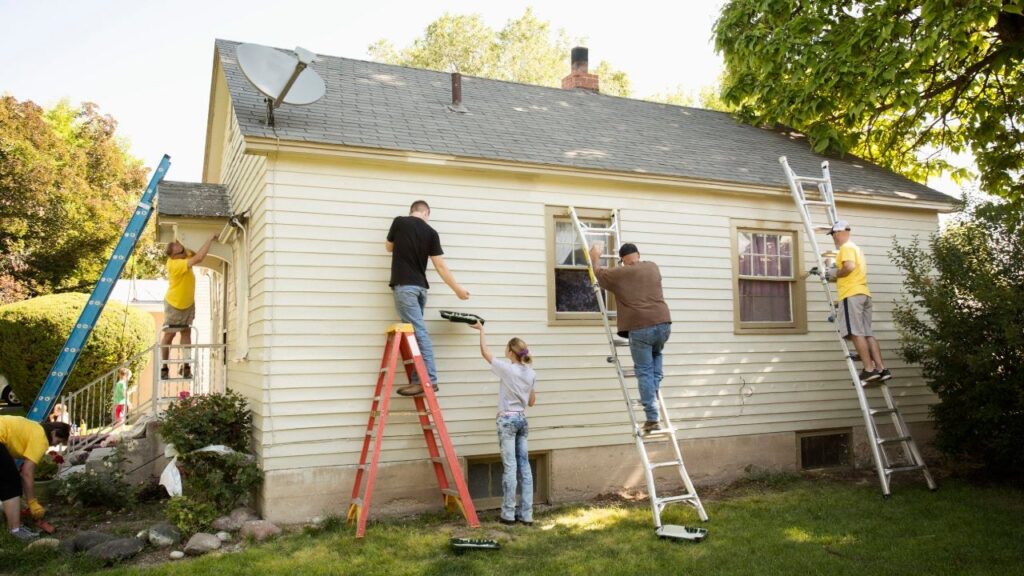
Steps in the House Flipping Process
The house-flipping process is a structured journey that a real estate investor undertakes to turn a profit. Each stage requires careful planning and execution to ensure successful house flipping. Understanding these steps is crucial for any beginner looking to invest in real estate and effectively flip a house.
| Stage | Description |
|---|---|
| Identify & Buy | Find and purchase a house suitable for flipping. |
| Renovation | Strategically transform the property through improvements. |
| Sell | Market and sell the renovated house for a higher price. |
Renovation Tips for Beginners
For a beginner house flipper, effective renovation is key to a successful house flip. Focus on cosmetic upgrades that offer the best return on investment without overspending. Prioritize kitchen and bathroom renovations, fresh paint, and updated flooring. Consider the condition of the property and aim for improvements that appeal to a broad market. Collaborating with reliable contractors and a real estate agent who understands local market conditions can help guide your renovation choices and ensure the property is ready to sell.
Understanding the Mortgage Options
Navigating mortgage options is a vital part of the flipping process, especially for the real estate investor. While traditional mortgages are available, flippers often explore more specialized financing. Hard money loans and private lenders are common for their speed and flexibility, though they typically come with higher interest rates. Understanding the terms, interest rates, and repayment schedules for each mortgage option is crucial. Proper financing ensures you have the capital to purchase properties and cover renovation costs without losing money.
Making Money in House Flipping

The ultimate goal of any fix and flip project is to sell the renovated property for more than the total investment, generating a healthy profit. While buying the right property is important, maximizing your return depends on strategic renovations, accurate pricing, effective marketing, and careful financial planning.
Whether you’re a complete beginner, new to real estate, or an experienced investor looking to expand your flipping business, understanding how to successfully market and sell your property is essential for making a profit. Every step in the process of flipping contributes to the success of your investment and your ability to make money flipping houses consistently.
How to Sell Your Flipped House

Selling your renovated property quickly and at the highest possible price is one of the most important stages of home flipping. A well-prepared home attracts more buyers, generates stronger offers, and reduces costly holding expenses.
Prepare the Property for Sale
Before listing your property, ensure every detail has been completed professionally.
Focus on:
Interior cleaning
Fresh landscaping
Minor repairs
Professional staging
High-quality photography
Simple improvements such as fresh paint, updated lighting, and attractive landscape design can significantly increase the perceived value of a house.
Price Your Home Correctly
Setting the right asking price is critical.
Work with an experienced real estate agent who understands your local real estate market and can evaluate:
Comparable sales
Current inventory
Buyer demand
Neighborhood trends
Recent real estate prices
Pricing too high may discourage buyers, while pricing too low could reduce your profit margin.
Market Your Property Effectively
An effective marketing campaign should showcase your renovations and highlight the property’s strongest selling points.
Marketing strategies include:
Professional photography
Virtual tours
Social media promotion
Open houses
Email marketing
Real estate websites
The more exposure your property receives, the faster you are likely to attract qualified buyers.
Work with Experienced Professionals
Selling a renovated property often involves multiple professionals.
Consider working with:
A licensed real estate agent
A real estate attorney
A title company
Mortgage professionals
Home appraisers
These experts help ensure the transaction proceeds smoothly while protecting your investment.
Using MLS for Listings

The Multiple Listing Service (MLS) remains one of the most powerful marketing tools available for selling investment properties.
An MLS listing exposes your property to thousands of buyers and real estate professionals actively searching for homes.
Why MLS Matters
A professionally prepared MLS listing provides:
Maximum online visibility
Exposure to buyer agents
Greater marketing reach
Faster sales opportunities
Increased buyer competition
This broad exposure is invaluable for real estate investors who want to complete profitable transactions quickly.
Create an Attractive Listing
A successful MLS listing should include:
Professional photographs
Detailed renovation descriptions
Energy-efficient upgrades
Neighborhood highlights
Updated features
Financing information
Highlighting your improvements helps buyers understand the property’s value while differentiating it from competing listings.
Understand Your Local Market
Successful investors continually monitor their local real estate market.
Pay attention to:
Buyer demand
Inventory levels
Seasonal trends
Mortgage rates
Comparable property sales
Understanding market conditions helps determine the best time to list your property and maximize profits.
Calculating Profit Margins

One of the most important lessons in House Flipping 101 is accurately calculating your profit before purchasing any investment property.
Many new investors focus only on renovation costs while overlooking several additional expenses that directly affect profitability.
Calculate Every Expense
To determine whether you’ve completed a profitable flip, track every dollar invested throughout the project.
| Expense Category | Typical Costs |
|---|---|
| Property Acquisition | Purchase price, closing costs, inspections, legal fees |
| Renovation Costs | Materials, labor, permits, contractor fees |
| Holding Costs | Mortgage payments, utilities, insurance, property taxes |
| Selling Costs | Agent commissions, marketing, legal fees, closing costs |
Ignoring even small expenses can significantly reduce your overall return.
Budget for Unexpected Costs
Unexpected issues are common in flipping homes, particularly when purchasing houses in disrepair.
Common surprises include:
Electrical problems
Plumbing repairs
Foundation issues
Roof damage
Mold remediation
Pest infestations
Hiring a qualified home inspector before purchasing helps identify many of these problems early, allowing you to budget more accurately.
Follow Local Regulations
Always ensure renovations comply with local building codes.
Permits, inspections, and code compliance protect both your investment and future buyers while reducing the risk of legal complications during the sale.
Understand Your Profit Formula
A simplified profit calculation looks like this:
Profit = Final Selling Price − Total Investment Costs
Your total investment should include:
Purchase price
Renovation expenses
Financing costs
Holding costs
Selling expenses
Taxes and legal fees
Many experienced investors establish minimum profit targets before purchasing a property to ensure the project remains financially worthwhile.
Tips for Building a Successful House Flipping Business

Whether you’re planning your first investment or looking to grow a professional flipping business, consistency and careful planning are key to long-term success.
Many successful investors begin by learning how to find a house below market value through:
Foreclosure auctions
Motivated sellers
A wholesaler
Estate sales
Bank-owned properties
Direct marketing campaigns that buy houses from homeowners
The ability to purchase a house cheap, renovate it efficiently, and sell it at market value forms the foundation of a successful fix and flip strategy.
If you’re new to real estate and want to start investing, remember that successful buying and selling requires careful budgeting, market research, and patience. Every stage of the process of flipping—from evaluating real estate prices and estimating the future value of a house to hiring contractors and marketing the finished property—plays a role in your final profit.
By learning the principles of House Flipping 101, understanding your local real estate market, working with experienced professionals, and accurately tracking every expense, you’ll significantly improve your chances of completing a profitable flip. Over time, these skills will help you consistently make money flipping houses while building a successful real estate investment business.
Common Mistakes to Avoid

Overestimating Renovation Costs
One of the most common pitfalls for a beginner house flipper is overestimating renovation costs, which can quickly lead to lost money and jeopardize the entire house flip. Many new real estate investors underestimate the true expense of materials, labor, and unexpected repairs when they start flipping houses. It’s crucial to get multiple bids from contractors, build in a contingency budget, and meticulously track every expense during the renovation to ensure the project stays within budget and ultimately turns a profit. Failing to do so can drastically reduce your return on investment.
Ignoring Market Trends
Ignoring current market conditions and trends is another significant mistake a real estate investor can make. Successful house flipping heavily relies on understanding local demand, property values, and buyer preferences. A beginner flipper might renovate a property with features that are not popular in the area or price it too high, making it difficult to sell the house for a higher price. Thorough research into comparable sales and consulting with an experienced real estate agent or realtor can provide invaluable insights to prevent this costly oversight during the house-flipping process.
Choosing the Wrong Neighborhood
Selecting an unsuitable neighborhood for your investment properties can severely hinder your ability to flip a house successfully. A common error for a new investor is to buy a house in an area without strong demand or future growth potential. The location significantly impacts the eventual sale price and the speed at which you can sell the property. Always research school districts, local amenities, crime rates, and job growth in a neighborhood before making an offer to ensure the area supports a profitable house flip and a solid return on investment.
Tips for Successful Flipping

Good Rule of Thumb for Investors
A good rule of thumb for any real estate investor looking to start flipping houses is the 70% rule: never pay more than 70% of the after-repair value (ARV) of a property, minus the cost of repairs. This guideline helps ensure that you have enough room to cover renovation costs, holding costs, and still turn a profit. Adhering to this principle is crucial for a beginner house flipper to avoid overpaying for investment properties and to maintain a healthy profit margin in the competitive real estate market.
Networking with Other Flippers
Networking with other experienced flippers and real estate investors is an invaluable tip for anyone beginning their house-flipping journey. Engaging with those who have navigated the house-flipping process successfully can provide crucial insights, advice on avoiding common mistakes, and recommendations for reliable contractors or private lenders. These connections can offer mentorship, share best practices for renovation, and even reveal off-market investment properties. Building a strong network in the real estate investing community is a significant asset for any beginner looking to make their first flip a success.
Keeping Track of Your Investments
Meticulously keeping track of your investments is paramount for successful house flipping and ensuring you don’t lose money. This involves detailed record-keeping of every expense, from the initial purchase price, mortgage payments, and property tax, to all renovation costs, utility bills, and listing fees. A comprehensive financial overview helps a real estate investor accurately calculate profit margins, assess the return on investment, and identify areas where costs can be optimized in future projects. This diligent tracking is a cornerstone of a profitable house flip.
