

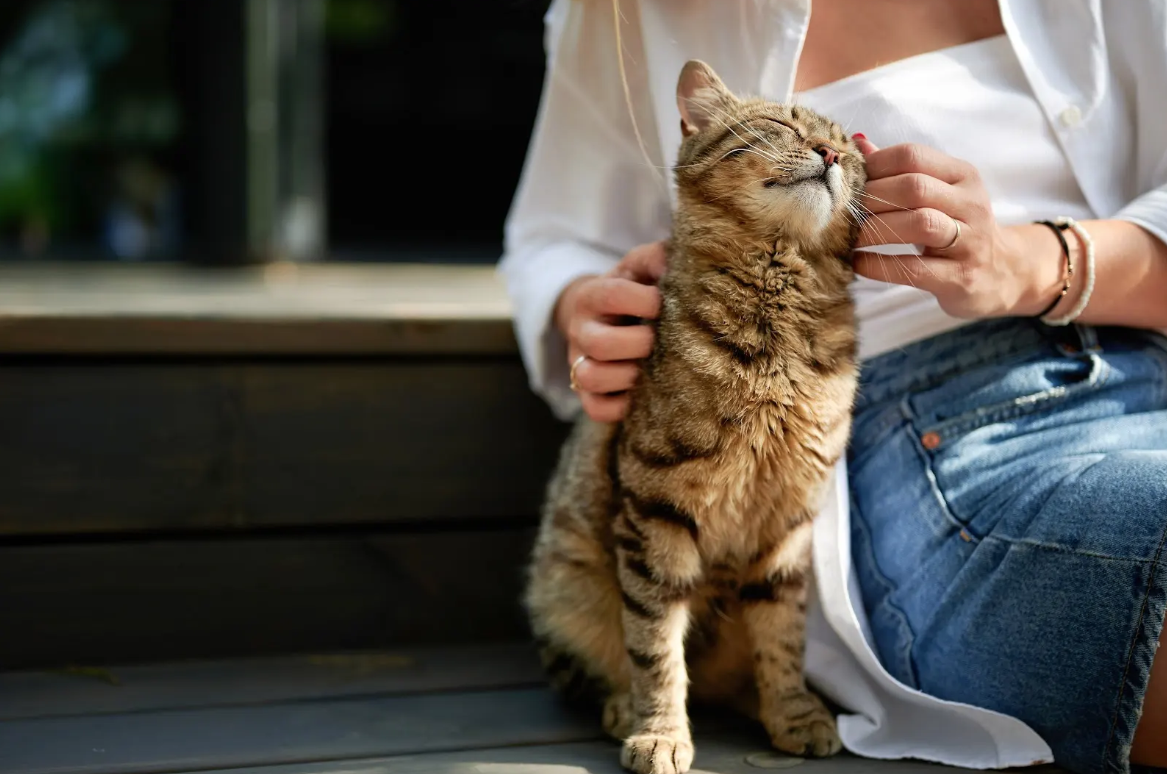

Simple Techniques to Build Trust, Encourage Affection, and Raise a Cuddly Lap Cat
Cultivating a strong bond with your feline friend from an early age is key to raising a truly affectionate and cuddly lap cat. This guide will help you understand the foundational steps to ensure your kitten grows into a loving companion who enjoys snuggling up with you.
Understanding Your Cuddly Kitten
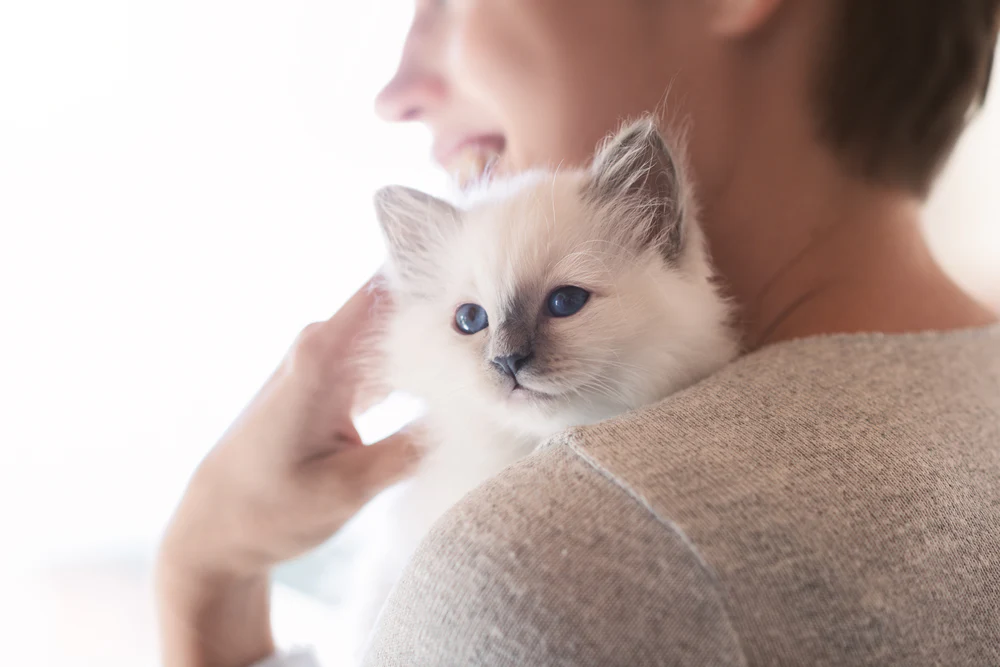
Every kitten has its own unique personality, but with patience, positive experiences, and proper socialization, many can grow into affectionate companions that enjoy spending time with their owners. While some cats are naturally cuddly, others require more time to build confidence and trust before they begin to seek out physical affection.
Understanding your kitten’s early development, temperament, and body language is one of the best ways to bond and helps create a lifelong relationship built on trust. By recognizing your kitten’s individual needs and encouraging positive human interaction, you’ll create an environment where your furry friend can thrive and feel secure.
The Importance of Early Socialization

Early socialization plays a vital role in shaping your kitten’s personality and future behavior. The experiences a kitten has during its first few months can influence how comfortable it becomes around people, other pets, and new environments.
The more positive experiences your kitten enjoys early in life, the greater the chance it will develop into a confident, affectionate adult.
Start Socialization Early
The first few weeks of a kitten’s life are especially important.
If possible, kittens should spend the first several weeks with their mother and littermates, where they begin learning important kittens social behaviors. After adoption, continued gentle handling and daily interaction help reinforce those early lessons.
By the time a kitten reaches around 8 to 12 weeks old, it is generally more receptive to building relationships with people and adapting to its new home.
Encourage Positive Human Interaction
Regular, gentle human interaction teaches your kitten that people are a source of comfort, safety, and affection.
Simple daily activities include:
Soft petting sessions
Gentle talking
Hand-feeding treats
Interactive play
Quiet time together
Handling your kitten a lot in calm, positive ways helps build confidence without causing fear or stress.
Every pleasant interaction strengthens the bond between you and your kitten.
Build Trust Through Consistency
Cats appreciate routine.
Feeding, playing, and spending quality time together at consistent times each day helps your kitten feel secure and understand what to expect.
This consistency creates positive associations that encourage your kitten to become more relaxed and affectionate over time.
Identifying an Affectionate Temperament
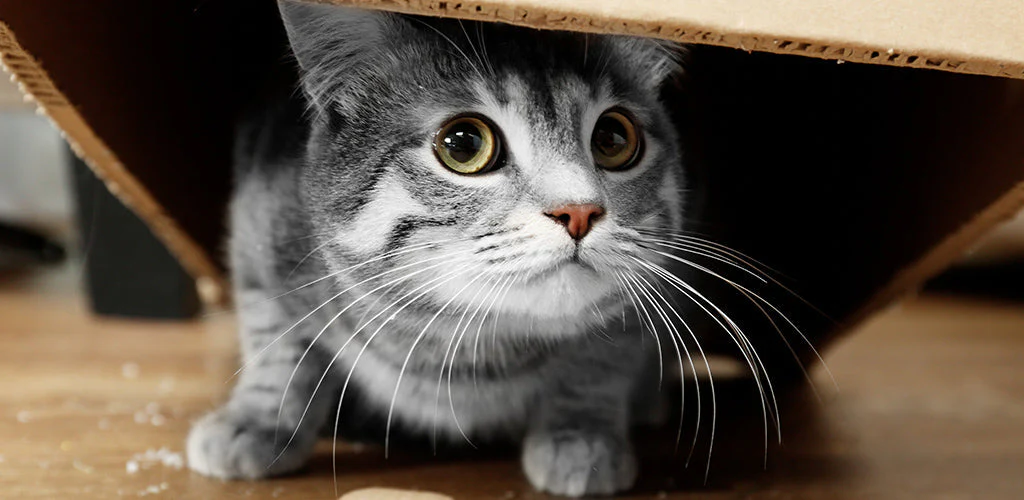
Although every cat has its own personality, some kittens naturally display behaviors that suggest they’ll become especially affectionate adults.
These personality traits often become noticeable shortly after bringing your kitten home.
Signs of a Naturally Affectionate Kitten
A naturally cuddly kitten may:
Approach people confidently.
Enjoy being gently petted.
Purr during handling.
Curl up beside you.
Follow you around the house.
Seek attention frequently.
These behaviors suggest your kitten already enjoys social interaction and is comfortable around humans.
Respect Individual Personalities
Not every cat like companion enjoys constant cuddling.
Some kittens show their affection differently by:
Sitting nearby.
Following their owners.
Sleeping close to family members.
Greeting people at the door.
Watching activities from a comfortable distance.
Understanding that every like cat personality is unique helps set realistic expectations and encourages a stronger relationship built on mutual trust.
Rather than forcing affection, allow your kitten to develop confidence at its own pace.
Strengthen Natural Affection
If your kitten already enjoys human company, continue reinforcing that behavior through positive experiences.
Offer:
Praise
Gentle petting
Healthy treats
Interactive play
Quiet cuddle time
These positive experiences encourage your kitten to continue seeking out affection as it matures.
Recognizing Your Kitty’s Body Language

Learning to read your kitten’s body language is one of the most valuable skills any cat owner can develop.
Cats communicate almost entirely through posture, facial expressions, tail movement, ears, and vocalizations. Understanding these signals helps you know when your kitten is comfortable, playful, nervous, or ready for affection.
Signs Your Kitten Feels Comfortable
When your kitten feels relaxed, it may display behaviors such as:
Slow blinking
Relaxed ears
Gentle purring
Soft body posture
Tail held upright
Rolling onto its side
These signs indicate your kitten feels safe and may welcome gentle interaction.
Signs Your Kitten Needs Space
Not every moment is the right time for cuddles.
Watch for signals such as:
Flattened ears
Twitching tail
Dilated pupils
Hiding
Low growling
Swatting
Recognizing these behaviors prevents unwanted stress and teaches your kitten that you’ll respect its boundaries.
This respect strengthens trust over time.
Encourage Positive Communication
Whenever your kitten chooses to approach you, reward that decision with calm attention rather than overwhelming affection.
Allow your kitten to:
Sniff your hand first.
Decide when to climb onto your lap.
Walk away if it chooses.
Giving your kitten control over interactions creates positive experiences and encourages it to show their affection naturally.
Creating a Comfortable Environment
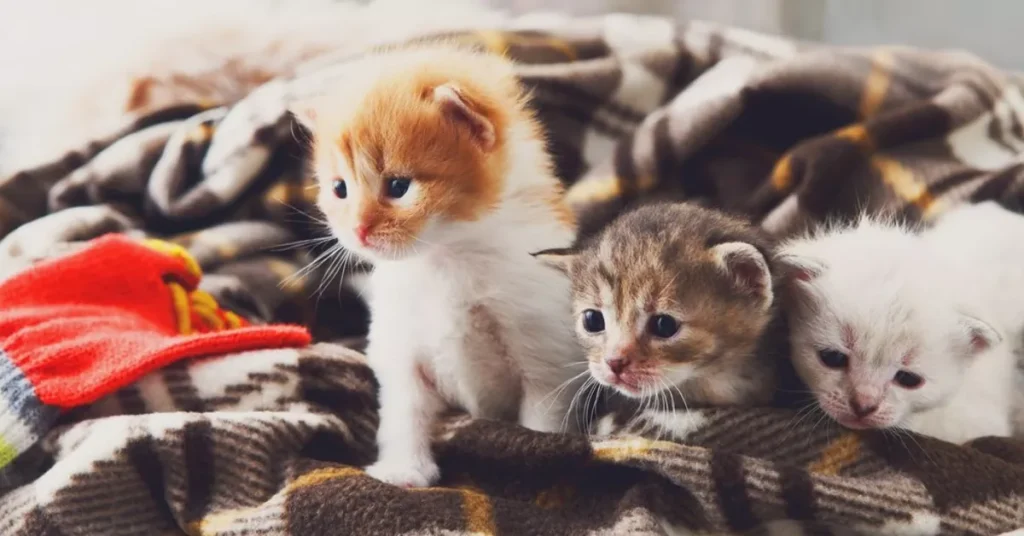
Creating a calm, welcoming environment is one of the best ways to raise a happy, confident, and affectionate kitten. The surroundings you provide during the early stages of life play a major role in shaping cat behavior, confidence, and trust. A kitten that feels safe and secure is far more likely to develop into a lap-loving, affectionate companion that enjoys spending time with people.
Whether you’ve just brought home a tiny kitty or you’re looking to strengthen your bond with an older kitten, creating a positive environment filled with comfort, play, and gentle human contact will help build lasting trust and affection.
Setting Up a Safe Space for Your Kitten

One of the first priorities when you raise your kitten is providing a dedicated safe space where it can relax and adjust to its new home. Moving to a new environment can be overwhelming, especially for kittens younger than 8 weeks or those experiencing separation from their littermates.
A quiet room allows your furball to gradually build confidence while becoming familiar with new sights, sounds, and smells.
Include the Essentials
Your kitten’s safe area should include everything needed to feel their best, including:
A comfortable place to sleep
Fresh food and water
A clean litter box
Soft blankets
A sturdy scratching post
Age-appropriate cat toys
A cozy hiding spot
Having these essentials in one location helps ensure your cat’s physical and emotional needs are met during the adjustment period.
Give Your Kitten Time to Settle In
Avoid overwhelming your kitten with too many visitors or excessive handling during the first few days.
Instead:
Sit quietly nearby.
Allow your kitten to approach you.
Speak softly.
Offer treats.
Let your cat explore at its own pace.
Sitting on the floor instead of towering above your kitten can help it feel more comfortable and less intimidated.
Remember, every cat has its own personality. While some kittens are naturally outgoing, others may initially seem aloof. Patience will go a long way in helping your new companion gain confidence.
Early Socialization Matters
The first 8 weeks of life are especially important for developing positive interactions with humans.
Although kittens are ideally raised by their mother during this period, continued gentle socialization after adoption remains essential.
The younger the kitten, the easier it generally is to build confidence and positive relationships with people.
Making Your Home Inviting for Cuddles

Creating a comfortable home encourages your kitten to relax and eventually want to snuggle with you.
Cats naturally seek out warm, quiet, and secure resting areas, so offering multiple cozy spots throughout your home helps them feel safe.
Create Comfortable Resting Areas
Consider adding:
Soft blankets
Plush pet beds
Window perches
Cat trees
Covered cat caves
Elevated shelves
Providing several comfortable locations allows your kitten to choose where it feels most secure.
As your kitten gains confidence, it may begin to follow you from room to room and seek your company throughout the day.
Encourage Positive Associations
One of the best ways to build affection is to associate you with positive experiences.
Whenever your kitten approaches you:
Offer gentle praise.
Give healthy treats.
Provide soft scritches around the chin or behind the ears.
Speak calmly.
Over time, your kitten will associate the positive feeling they get from these experiences with your presence.
This positive reinforcement encourages cats to seek out more interaction and become more affectionate and friendly.
Respect Your Kitten’s Boundaries
While it’s natural to try to pet your adorable new companion often, avoid forcing physical contact.
Instead:
Let your cat come to you.
Watch body language carefully.
End interactions before your kitten becomes overwhelmed.
Cats are more likely to trust people who respect their personal space.
Choosing the Right Toys for Interactive Play
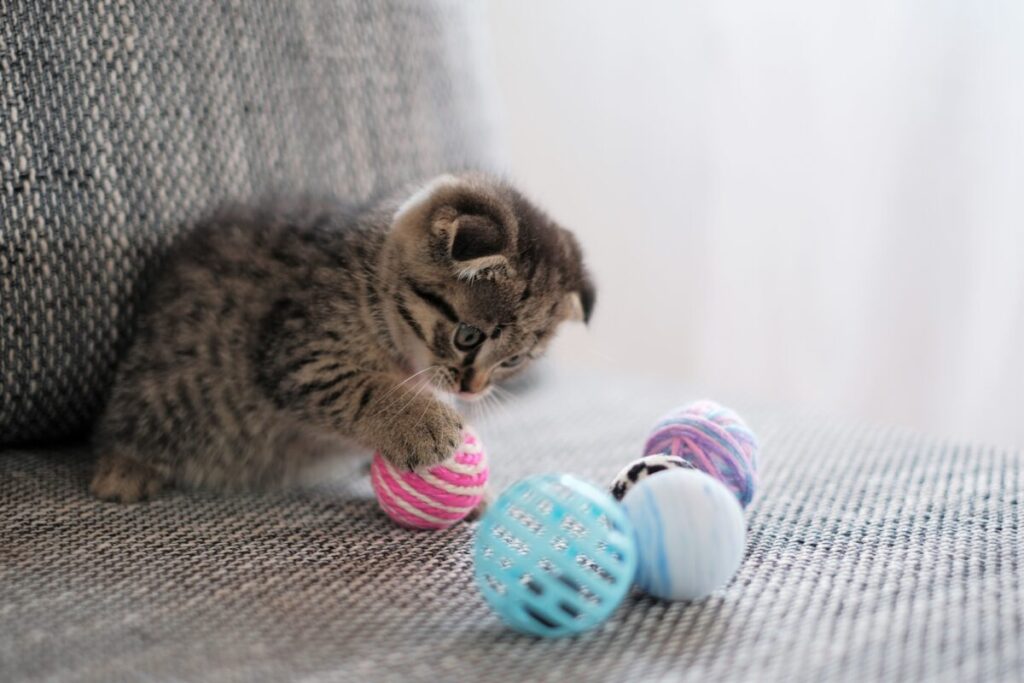
Interactive play is essential for both physical development and emotional bonding.
Playing with your kitten daily not only provides exercise but also strengthens the relationship between pet and cat owner.
Choose Interactive Cat Toys
Some of the best cat toys include:
Feather wand toy
Interactive teaser toys
Soft balls
Puzzle feeders
Crinkle toys
Small plush mice
A wand toy is particularly effective because it encourages natural hunting behaviors while allowing you to actively participate in playtime.
Build Positive Experiences Through Play
Regular play sessions help your kitten:
Burn excess energy.
Develop confidence.
Reduce unwanted behaviors.
Improve coordination.
Strengthen trust.
The positive feeling they get during play helps them naturally associate you with positive experiences.
Eventually, many kittens begin to seek out their owners for both playtime and affection.
Consider Clicker Training
Introducing a clicker can also strengthen communication and build confidence.
Clicker training teaches simple behaviors through positive reinforcement and rewards.
This training:
Encourages learning.
Builds trust.
Strengthens your relationship.
Provides mental stimulation.
It also helps your kitten develop confidence while creating enjoyable interactions with humans.
Building a Strong Bond That Lasts
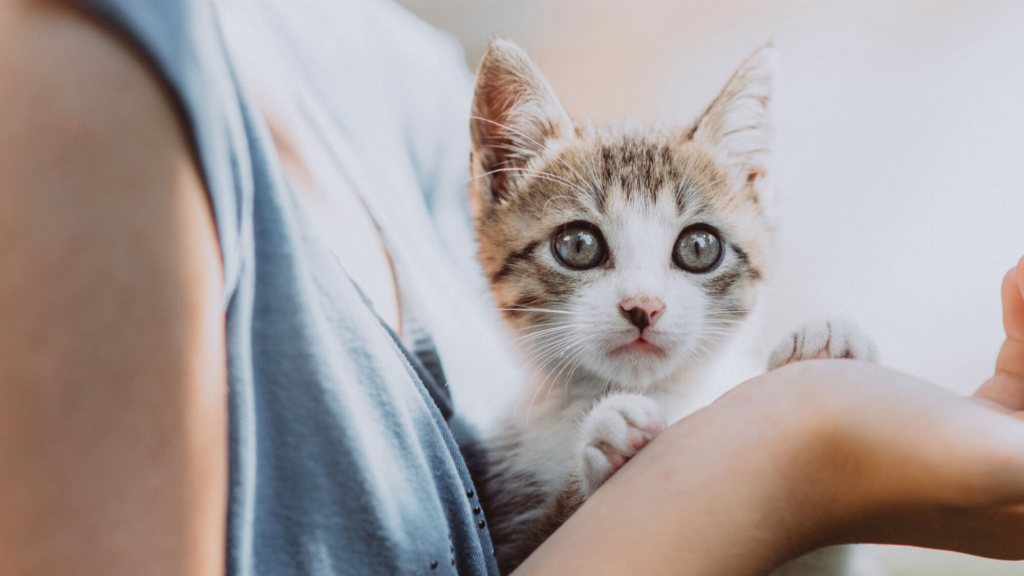
Developing a close relationship with your kitten doesn’t happen overnight, but consistency and patience make a tremendous difference.
Show your cat lots of affection in ways it enjoys, whether that’s gentle petting, interactive play, quiet companionship, or relaxing together after an exciting play session.
Many kittens gradually become likely to cuddle as they mature, especially when they consistently experience safety, kindness, and positive interactions.
Remember that every cat has its own unique personality. Some may become devoted lap cats that constantly want to snuggle, while others prefer simply sitting nearby or quietly following you from room to room.
The goal isn’t to change your kitten’s personality but to create an environment where it feels completely safe expressing affection in its own way. By practicing good kitten care, respecting your kitten’s boundaries, and spending quality time together every day, you’ll build a lifelong bond with your adorable pet that continues to grow stronger as your kitten matures.
Encouraging Cuddly Behavior
Start Handling Your Kitten Early
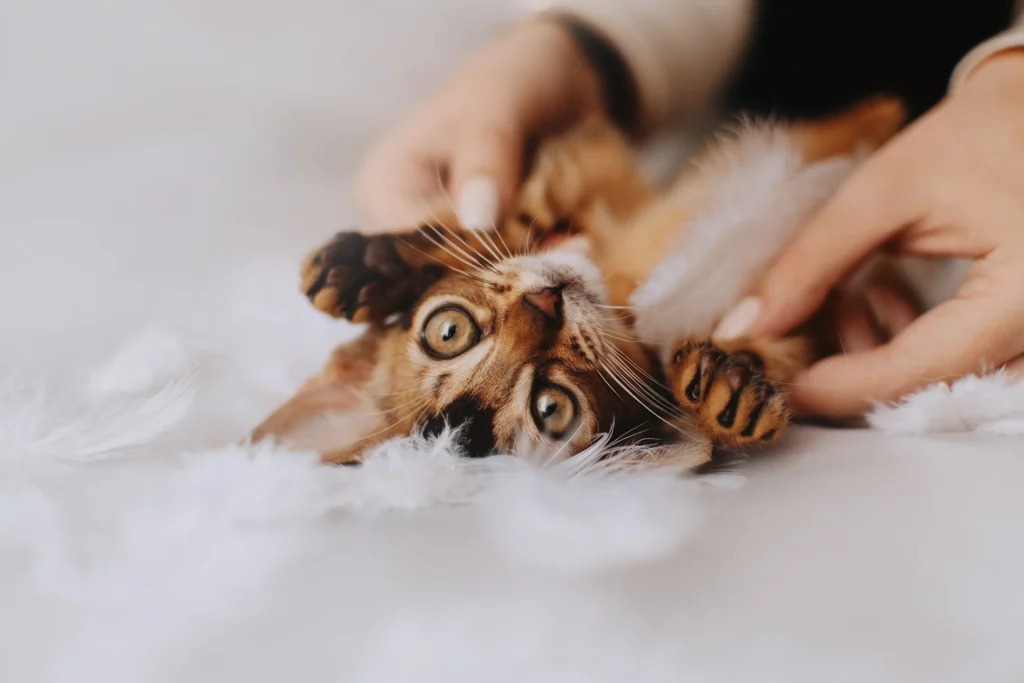
Early and consistent handling of the kitten is paramount to raising a cuddly cat. Gently pick up and pet your cat frequently, even for short periods, allowing your feline to get used to human touch from a young age. This positive exposure helps your kitten to be cuddly and transforms it into an affectionate adult cat.
Using Treats to Reinforce Affection
Positive reinforcement with treats can significantly encourage your cat’s cuddly behavior. When your kitten seeks out closeness or allows gentle petting, reward your kitten immediately with a small, delicious treat. This method helps you train your kitten to associate affection with positive outcomes, fostering a more cuddly lap cat.
Establishing Cat Rituals for Bonding
Establishing consistent daily cat rituals, such as regular playtime or evening snuggle sessions, helps solidify your bond with your cat. These predictable interactions create a sense of security and routine for your feline, encouraging your cat to be more affectionate and seek out your presence for comfort. This routine will help you raise a cuddly pet.
Building Confidence in Your Lap Cat
Understanding How Cats Get Comfortable
To truly make your cat more cuddly, understanding how your feline gets used to its environment is crucial. A confident kitten is more likely to become a cuddly lap cat, as a secure cat feels safe enough to relax and seek physical affection. Recognizing your cat’s unique preferences and respecting its boundaries will encourage your cat to associate your presence with comfort.
Creating Positive Experiences with Petting
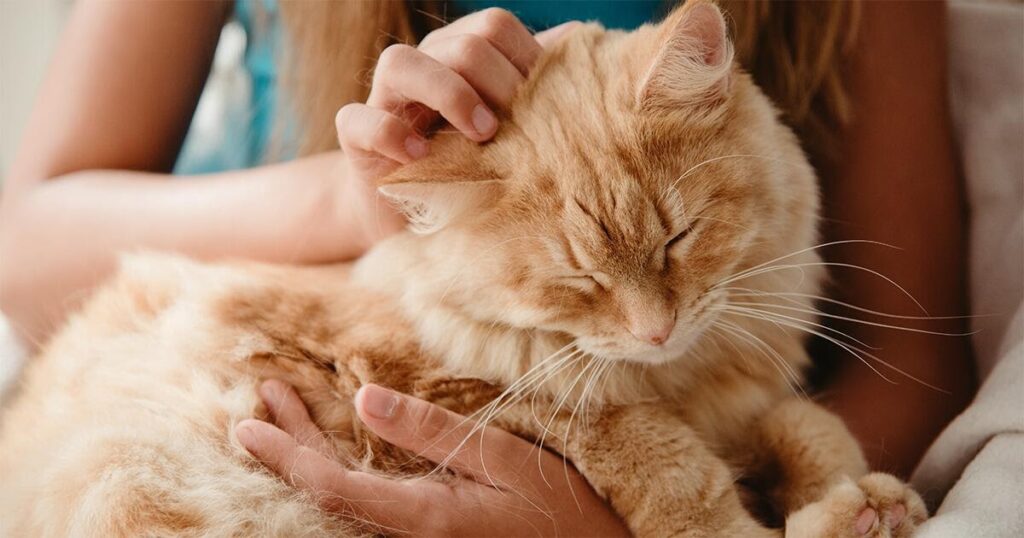
To raise a cuddly cat, creating consistently positive experiences with petting is essential. Gentle petting and soft strokes, especially when your kitten is relaxed, will strengthen the bond with your cat. Always ensure your cat enjoys the interaction, and reward your kitten with praise or a tiny treat when it solicits affection, fostering a truly affectionate pet.
Recognizing Signs of Stress and Comfort
Recognizing your kitty’s body language is key to making your cat more cuddly. A relaxed posture, purring, and slow blinks indicate your cat feels comfortable and receptive to snuggling. Conversely, flattened ears or a twitching tail suggest stress, prompting you to give your feline space. Understanding these signals helps you raise a cuddly and confident kitten.
Maintaining a Cuddly Relationship
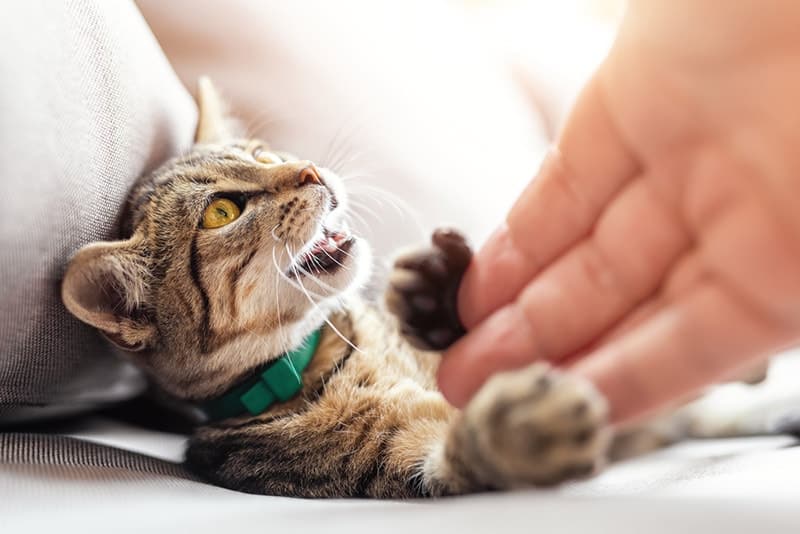
Regular Grooming and Its Benefits
Regular grooming can significantly contribute to making your cat more cuddly, fostering a stronger bond with your cat. Brushing your feline regularly not only keeps its coat healthy but also serves as a gentle form of tactile interaction, which your cat may begin to associate with positive attention. This consistent, gentle petting helps your kitten to be cuddly and appreciate your touch.
Monitoring Changes in Behavior
Monitoring subtle changes in your cat’s behavior is vital to maintaining a cuddly relationship. A sudden decrease in affection or a reluctance to cuddle may signal underlying stress or health issues, prompting a vet visit. Early detection allows you to address any problems swiftly, ensuring your cat continues to be a happy, affectionate pet and cuddles when it feels well.
How to Make Your Cat More Cuddly Over Time
To make your cat more cuddly over time, consistency and positive reinforcement are key. Continue with daily playtime, gentle petting, and offering a safe, inviting environment for your cat’s needs. By consistently creating positive associations and respecting your feline’s boundaries, you will further raise an affectionate adult cat and ensure your kitten grows into a loving lap cat.
