

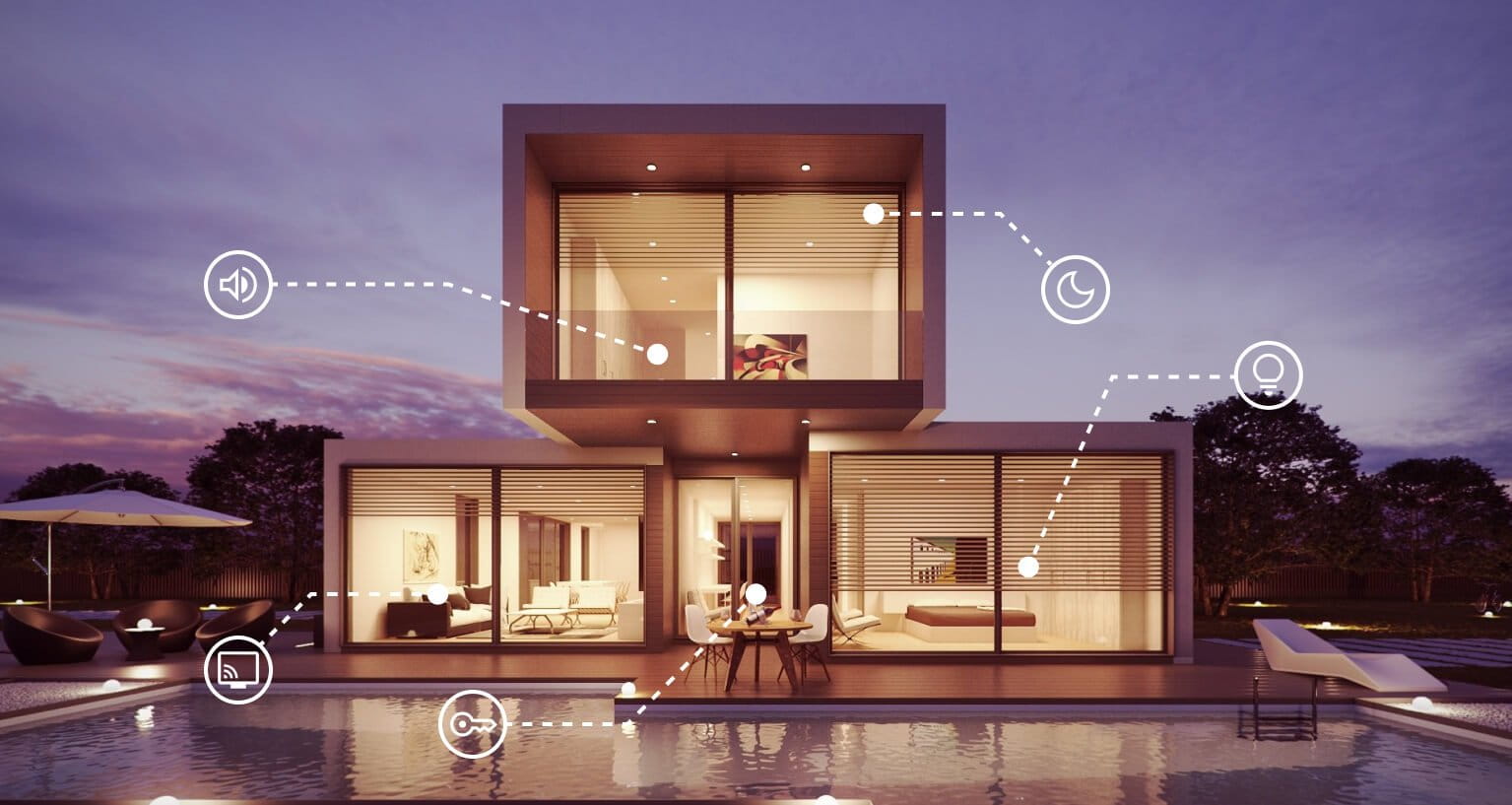

Learn How IoT Home Automation Works and How to Create a Smarter, More Connected Home
This beginner’s guide will demystify the world of smart homes, explaining what they are, how they work, and how you can start transforming your living space into a connected, intelligent environment. Get ready to explore the exciting possibilities of home automation and discover how smart home technology can enhance your daily life.
Understanding Smart Homes
What Are Smart Homes?
Smart homes represent the evolution of our living spaces, integrating advanced technology to create a more convenient, efficient, and secure environment. At its core, a smart home is a residence equipped with connected devices that can be controlled remotely or even autonomously. This sophisticated network of smart home devices allows for centralized management of various functions, transforming your traditional home into a responsive and intelligent hub. The concept of smart home automation hinges on the Internet of Things (IoT), where everyday appliances and systems are interconnected, enabling seamless communication and control, whether you’re at home or miles away.
Benefits of Home Automation
The benefits of home automation are manifold, significantly enhancing comfort, convenience, and energy efficiency within your living space. With a smart home system, you can easily control multiple devices from a single smart home app on your smartphone or even through voice commands via a smart speaker like Google Home or Amazon Alexa. This level of remote control allows you to adjust your smart thermostat, manage smart lighting, or even unlock a smart lock without physically interacting with each device. Beyond convenience, smart homes offer substantial energy savings by optimizing the use of appliances and helping you save energy. Furthermore, home security is dramatically improved with smart home security features, including smart security cameras and security devices, providing peace of mind and enhanced protection for your home.
Key Components of Smart Home Technology
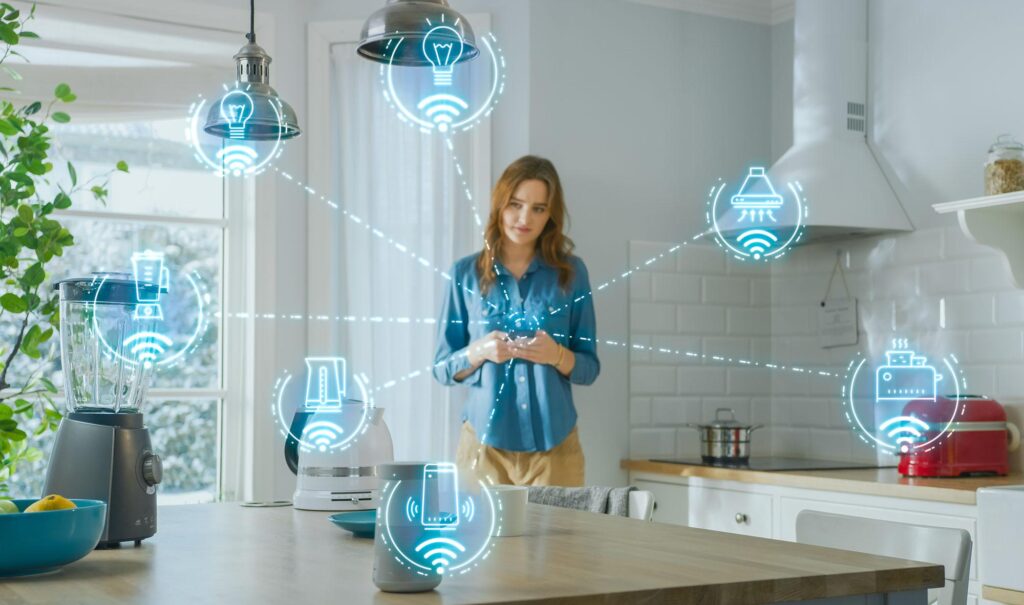
Smart home technology is built upon a foundation of interconnected devices and systems, each playing a crucial role in the overall home automation setup. Essential components include a smart home hub, which acts as the central brain, facilitating communication between various smart home products. Common smart devices encompass smart light bulbs, smart plugs that turn any appliance into a smart one, smart thermostats like the Nest thermostat for climate control, and smart speakers equipped with an assistant like Google Assistant or Amazon Alexa for voice control. Additionally, for enhanced home security, smart locks and home security cameras are vital. These connected devices leverage sensors and internet connectivity to provide a comprehensive smart home system, allowing users to manage their home setup with unparalleled ease and efficiency.
Setting Up a Smart Home
Choosing the Right Smart Devices
Embarking on the journey of setting up a smart home requires careful consideration of the smart devices that will best suit your lifestyle and needs. The initial selection is crucial for building an effective home automation system. When choosing smart appliances, think about which areas of your home you want to automate first. Common starting points include smart lighting, smart plugs to make existing appliances smart, and a smart thermostat to save energy. Consider devices that offer compatibility with popular smart home platforms, ensuring seamless integration later. Researching different brands and reading reviews can help you identify reliable and user-friendly smart tech that will enhance your connected home experience without overwhelming your smart home setup.
Smart Home System Integration
Once you have selected your desired smart devices, the next step in setting up a smart home is to focus on smart home system integration. This involves ensuring that all your smart home products can communicate effectively with each other and with your central smart home hub. A well-integrated home automation system allows for advanced automations, such as your smart lighting adjusting when your smart lock is disengaged, or your smart thermostat optimizing climate control based on your home security system status. Many smart home systems are designed to work with popular voice assistants like Google Assistant or Amazon Alexa, enabling convenient voice control over multiple devices. Prioritizing devices that support open standards or popular ecosystems will simplify this integration process and enhance the overall functionality of your smart home.
Smart Hub and Its Importance
The smart hub is arguably the most critical component when building a robust smart home setup. This central home hub acts as the brain of your home automation system, facilitating communication between all your smart devices, regardless of their brand or protocol. While some smart devices can connect directly to your home network or smartphone app, a dedicated smart home hub offers superior reliability, advanced automation capabilities, and often improved home security features. It aggregates data from various sensors and allows for complex routines and scenes, making your smart home truly intelligent and responsive. Investing in a powerful smart hub is essential for a scalable and efficient smart home, providing a unified platform for remote control and management of your entire connected home environment.
Smart Home Applications
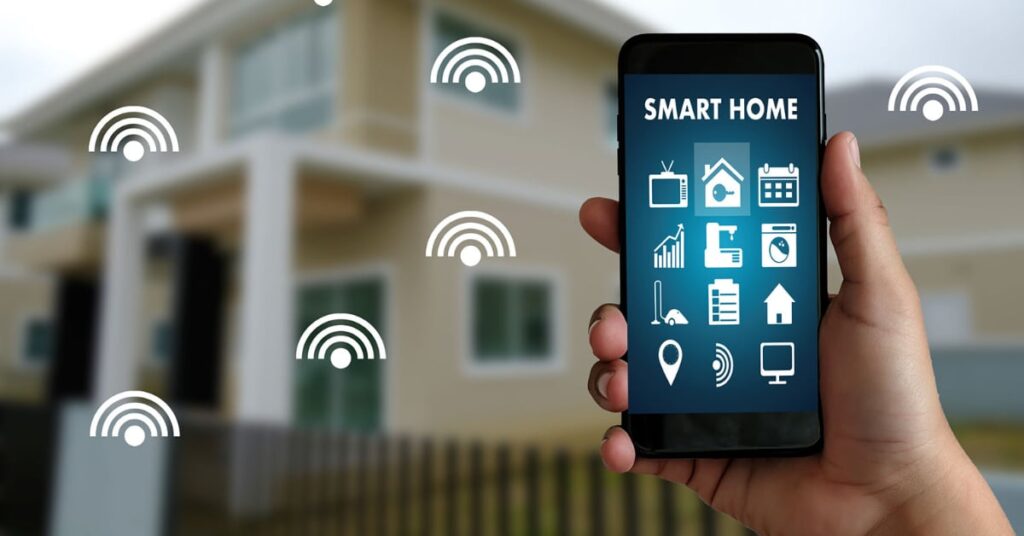
Smart home applications have transformed the way homeowners interact with modern technology, making everyday living more convenient, secure, and energy-efficient. Whether you’re just beginning your beginner’s guide to smart home technology or expanding an advanced home automation system, the right application allows you to manage every connected device from a single interface. From controlling home lighting and monitoring security cameras to managing smart energy usage, smart home apps make your connected home easier than ever to operate.
As the network of physical objects known as the Internet of Things (IoT) continues to expand, homeowners can seamlessly connect IoT devices and automate daily routines that improve comfort, safety, and convenience.
Using a Smart Home App
A smart home app acts as the command center of your connected home, allowing you to monitor and control virtually every compatible device from your smartphone, tablet, or computer. Instead of managing each device individually, a single application gives you complete home control, making your daily routine simpler and far more efficient.
Whether you’re at work, traveling, or relaxing at home, your smart home app lets you remotely control multiple smart devices, including:
Smart lighting and dimmable LED bulbs
Smart thermostats and climate controls
Smart locks and garage door openers
Smart security cameras and video doorbells
Smart plugs and connected appliances
Smart blinds and window coverings
Irrigation and garden watering systems
Entertainment devices such as a Smart TV
Most common smart home platforms also allow users to create personalized automation routines. For example, one tap can trigger a “Good Morning” scene that:
Opens smart blinds
Turns on selected lights
Adjusts the thermostat
Starts the coffee machine
Displays the day’s weather
Plays your favorite morning playlist
Likewise, a “Good Night” routine can automatically lock doors, switch off lights, lower the thermostat, arm the security system, and power down unnecessary electronics.
Modern smart home apps also provide valuable insights into energy usage, allowing homeowners to monitor electricity consumption and optimize smart energy performance. This helps reduce utility costs while making your home more environmentally friendly.
For anyone exploring a beginner’s guide to home automation, using a centralized smart home app is one of the easiest ways to simplify daily living while maximizing the benefits of connected technology.
Voice Control Features in Smart Homes
Voice assistants have revolutionized smart home technology by allowing homeowners to control devices naturally using spoken commands. Instead of reaching for your phone, you can simply ask your home assistant to complete everyday tasks instantly.
Popular voice commands include:
Turn lights on or off.
Adjust room temperatures.
Lock or unlock smart doors.
Open garage doors.
Play music throughout the house.
Control your Smart TV.
Set reminders and alarms.
Start robot vacuum cleaners.
Check weather forecasts.
Create shopping lists.
Control compatible kitchen appliances.
Voice control integrates seamlessly with leading ecosystems, including Google Assistant, Amazon Alexa, and Apple Siri, allowing your home to respond almost instantly to natural conversation.
Advanced home automation systems also allow multiple actions from a single voice command. For example, saying:
“Goodnight.”
can automatically:
Turn off every light.
Lock all exterior doors.
Close garage doors.
Arm your home security system.
Lower the thermostat.
Switch off entertainment devices.
Activate outdoor security lighting.
This level of automation not only improves convenience but also increases home security while making technology more accessible for children, seniors, and individuals with limited mobility.
As artificial intelligence continues to evolve, voice-controlled smart homes are becoming even more intuitive, learning your habits and making intelligent suggestions that simplify daily life.
Examples of Smart Speakers
Smart speakers are the heart of many home automation systems, acting as both entertainment devices and intelligent home controllers. These devices connect your smart home ecosystem, allowing you to manage hundreds of compatible devices using simple voice commands.
Some of the most popular smart speaker ecosystems include:
| Smart Speaker | Primary Assistant | Best Features |
|---|---|---|
| Google Nest (Google Home) | Google Assistant | Excellent voice recognition, smart search, home automation, Google ecosystem integration |
| Amazon Echo | Amazon Alexa | Extensive smart device compatibility, Alexa Skills, shopping, automation routines |
| Apple HomePod | Siri / Apple Home | Premium sound quality, strong privacy features, seamless Apple ecosystem integration |
Each platform supports thousands of compatible smart products, including:
Smart lighting systems
Smart thermostats
Security cameras
Smart locks
Smart plugs
Robot vacuum cleaners
Smart TVs
Home entertainment systems
Sensors and alarms
Smart appliances
If you’re heavily invested in Apple devices such as iPhones, iPads, Macs, or Apple Watches, Apple Home provides an exceptionally smooth smart home experience. Android users often prefer Google Home because of its powerful search capabilities and deep Google integration, while Amazon Alexa remains one of the largest ecosystems with support for an enormous range of third-party smart products.
Choosing the Right Smart Home Ecosystem
Before purchasing smart devices, it’s important to choose a platform that fits your lifestyle and existing technology. Sticking to one ecosystem ensures greater compatibility and simplifies future upgrades.
Consider the following when selecting your smart home platform:
Compatibility with your current devices
Ease of setup and installation
Voice assistant preferences
Automation capabilities
Device compatibility
Security and privacy features
Energy monitoring options
Future expansion possibilities
Choosing compatible smart technology from the beginning helps avoid connectivity issues while creating a more reliable and responsive home automation system.
Whether you’re building your very first connected home or expanding an advanced setup with dozens of IoT devices, today’s smart home applications make managing your home easier than ever. With centralized home control, intelligent automation, voice assistants, and seamless integration across multiple devices, modern home automation delivers greater convenience, enhanced security, lower energy consumption, and a smarter way to live.
The Smart Home Journey
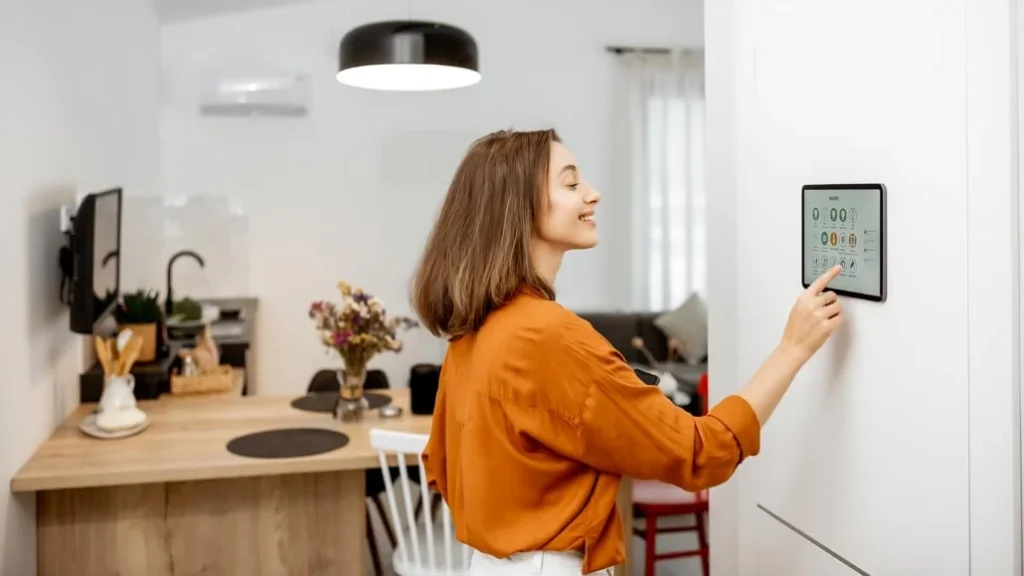
Planning Your Home Automation
Embarking on the journey of home automation requires careful planning to ensure your smart home setup aligns with your lifestyle and budget. Before purchasing any smart device, consider which aspects of your home you want to automate first, such as smart lighting, a smart thermostat, or enhanced home security. Researching different smart home products and understanding their compatibility with existing smart home systems is crucial for a seamless integration. Developing a clear vision for your connected home will guide your choices, helping you select the right smart appliances and smart tech that truly enhance your living space. This initial planning phase is vital to avoid common pitfalls and create an efficient, user-friendly smart home.
Common Challenges in Smart Home Installation
While the promise of a connected home is appealing, users often encounter common challenges during smart home installation. One significant hurdle is ensuring compatibility between multiple devices from different manufacturers, as not all smart home products use the same communication protocols. Network reliability is another key concern; a robust home network is essential for all smart devices to function optimally. Users might also face issues with complex smart home system integration, especially when trying to link various smart plugs, smart lighting, or smart security cameras to a central smart home hub. Overcoming these challenges often requires patience, troubleshooting, and sometimes, professional assistance to get your home automation system running smoothly and securely.
Future Trends in Smart Home Technology
The future of smart home technology promises even more advanced and integrated home automation solutions, pushing the boundaries of what a connected home can achieve. We anticipate a greater emphasis on artificial intelligence and machine learning, allowing smart homes to proactively anticipate needs and personalize experiences even further. Enhanced security features, including advanced home security cameras and sophisticated smart lock systems, will become standard, offering unparalleled peace of mind. Furthermore, seamless integration of existing smart home devices with future innovations, such as advanced energy management systems designed to help you save energy, will be crucial. The evolution of the Internet of Things (IoT) will continue to expand the capabilities of smart home appliances, making our smart homes more intuitive, efficient, and responsive to every aspect of our lives.
