



From Meeting New People to Nurturing Lifelong Friendships: Your Guide to Make Friends
It’s a common misconception that making friends as an adult is a daunting task, especially when compared to the seemingly effortless friendships of youth. However, cultivating meaningful connections and expanding your social circle is entirely possible and immensely rewarding, no matter your age. This article will explore practical strategies for forming great friends later in life, proving that it’s never too late to enrich your life with lasting friendships.
Understanding the Importance of Friendship
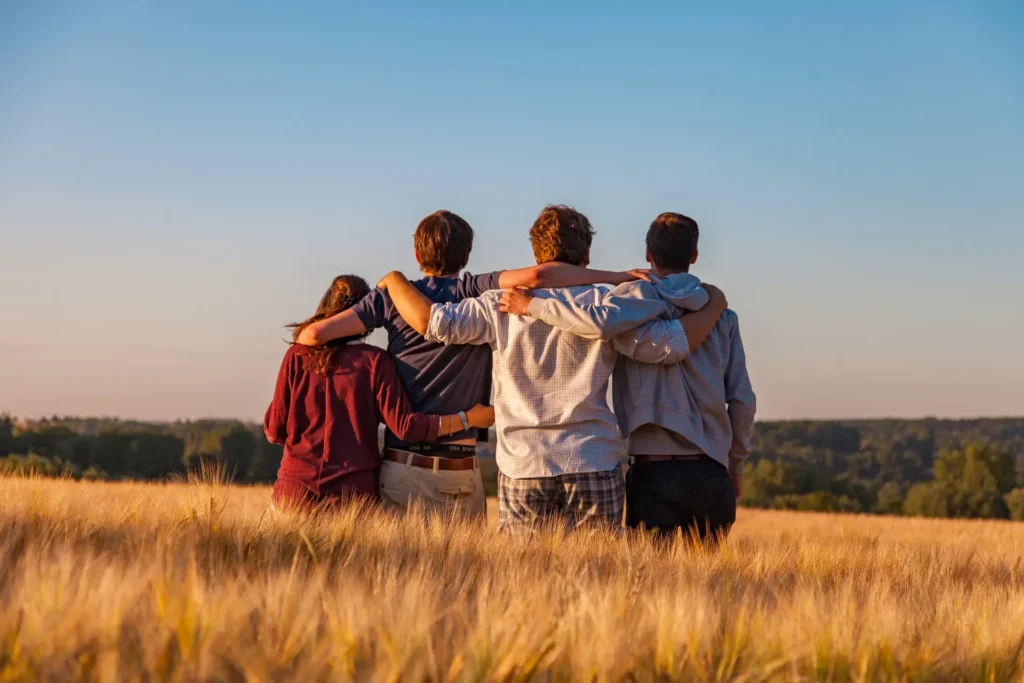
The Benefits of Having Friends as an Adult
Having friends as an adult offers a wealth of benefits that significantly contribute to overall well-being and life satisfaction. True friends provide emotional support, a sense of belonging, and a crucial buffer against social isolation, which can become more prevalent as we age. Engaging in shared experiences with a group of friends or even just one close acquaintance can boost mental health, reduce stress, and even promote physical longevity. These adult friendships often bring diverse perspectives and opportunities for personal growth, making life richer and more fulfilling through shared interests and genuine camaraderie. The value of these new relationships cannot be overstated in contributing to a vibrant and healthy life.
Why It’s Never Too Late to Make Friends
It’s a misconception that the window for making friends closes after a certain age; in reality, it’s never too late to make new friends and forge new friendships. Life stages bring different opportunities and challenges, and while childhood friends may remain central, there’s always room to cultivate new connections and expand your social networks. Many older adults find themselves in new environments or with more free time, making it an ideal time in life to meet new people and build a new social circle. Being open to new experiences and actively seeking out shared interests can lead to incredibly rewarding lasting friendships, demonstrating that the ability to make a new friend persists throughout life.
Common Challenges for Older Adults in Building Friendships
While the desire to make friends as an adult remains strong, older adults often face unique challenges in cultivating new friendships and expanding their circle of friends. One significant hurdle is the natural dispersal of long-standing social networks due to life changes like retirement, relocation, or the passing of acquaintances. Additionally, adults often have more established routines and less unstructured time, making it seem less easy to make friends compared to the spontaneity of youth. There can also be an internal barrier, with some older adults feeling that new relationships are harder to form, leading to a sense of social isolation. Overcoming these challenges requires intentional effort and a willingness to be open to new people and new friendship opportunities.
Strategies to Make Friends as an Adult

Building meaningful friendships as an adult can feel challenging, especially as life becomes busier with careers, family responsibilities, and changing priorities. However, making new friends is entirely possible with the right mindset and a willingness to step outside your comfort zone. Whether you’re moving to a new city, navigating life after the pandemic, experiencing heartbreak, or simply interested in finding new connections, intentional social engagement can lead to rewarding relationships.
The key is to put yourself in situations where people meet naturally, spend quality time with people, and remain open to opportunities that may develop into lifelong friendships. While there may be some initial awkwardness or a fear of rejection, consistent effort often leads to genuine and lasting connections.
Exploring New Social Activities

Trying new activities is one of the most effective ways to meet like-minded people and expand your social circle. Shared experiences create natural conversation starters and help build trust over time.
Discover Activities You Enjoy
Choose activities that genuinely interest you, such as:
Fitness classes
Cooking workshops
Art courses
Hiking groups
Volunteer projects
Community gardening
Photography clubs
Language classes
Participating regularly allows you to spend more time with people who share similar passions, increasing your chances of developing meaningful friendships.
Attend Local Events
Community events provide excellent opportunities to meet new people.
Consider attending:
Farmers’ markets
Charity events
Festivals
Local concerts
Cultural celebrations
Workshops
Public lectures
These environments encourage relaxed conversations and often lead to unexpected social connections.
Say Yes More Often
Sometimes the best friendships begin through a simple invitation.
Accept invitations to:
Dinner parties
Birthday celebrations
Community gatherings
Sporting events
You might even meet a friend of a friend, which is one of the easiest and most natural ways to expand your social network.
Being open to surprising ways of meeting people often leads to unexpected friendships.
Using Online Platforms to Connect

Technology has transformed the way adults build friendships. Online communities now make it easier than ever to connect with people who share your interests, regardless of location.
Join Interest-Based Communities
Online platforms allow you to find people with similar hobbies and lifestyles.
Popular options include:
Meetup
Eventbrite
Local forums
Community apps
A local Facebook Group
Joining groups centered around your interests helps eliminate much of the initial awkwardness because everyone already shares a common topic.
Attend Virtual Events
Virtual communities continue to thrive even after the pandemic.
You can participate in:
Online book clubs
Virtual fitness classes
Professional webinars
Hobby groups
Language exchanges via Zoom
These online interactions often develop into real-world friendships over time.
Professional Networking
Friendships don’t always begin in social settings.
Industry conferences, workshops, and networking events allow you to meet professionals who share your goals and interests. Many lifelong friendships have started through career-related connections.
Joining Clubs or Groups for Shared Interests

One of the best long-term strategies for building friendships is becoming part of a community that meets regularly.
Consistency creates familiarity, trust, and opportunities for deeper conversations.
Find Your Community
Consider joining:
Book clubs
Running clubs
Cycling groups
Volunteer organizations
Choirs
Community theatre
Religious groups
Crafting circles
Regular participation allows friendships to develop naturally without forcing interactions.
Build Stronger Relationships
Remember that create lasting friendships takes time.
Rather than focusing on meeting dozens of people, concentrate on getting to know a few individuals well.
Strong friendships often develop gradually through:
Shared experiences
Honest conversations
Reliability
Mutual support
Regular communication
It’s not about how long you’ve known someone, but the quality of the relationship you build together.
Embrace Diverse Communities
Many organizations specifically welcome people from different backgrounds and life experiences.
You may find supportive communities through:
Cultural organizations
Professional associations
Community centers
Hobby organizations
Whether you’re seeking a bestie, lifelong companions, or simply people to enjoy shared interests with, these communities offer welcoming environments for meaningful connection.
Creating Lasting Adult Friendships

Making friends as an adult requires patience, consistency, and a willingness to invest in others. While past experiences, relocation, career changes, or heartbreak may make socializing feel intimidating, every meaningful friendship begins with a simple conversation.
Whether you’re older, entering friendship in later life, or simply hoping to find a best friend, remember that authentic relationships take time to develop. Don’t let the fear of rejection prevent you from putting in the effort to make new connections. The right person may appear through a hobby, a friend of a friend, volunteer work, networking events, or even a local Facebook Group.
Many adults discover that their closest best friends or lifelong besties were people they met later in life—not necessarily during school or college. This is especially true within welcoming communities, including LGBTQ+ organizations and independent living communities, where shared experiences help people create lasting bonds.
Spending meaningful time with people, embracing new activities, and remaining open to surprising ways of connecting can significantly improve your health and happiness. Whether friendships begin online through Zoom, in person, or somewhere in between, the willingness to reach out is often the first step toward building relationships that enrich every stage of life.
Building New Friendships

How to Approach New Acquaintances
Approaching new acquaintances is a critical step in building new friendships and expanding your social circle, especially for friends as an adult. Start with a genuine smile and open body language to signal that you are open to new connections. Instead of waiting for others to initiate, take the initiative to introduce yourself and express interest in the other person. Remember that everyone, including older adults, appreciates feeling seen and heard. This initial outreach is crucial for making new friends and can set the stage for lasting friendships, demonstrating that you are proactive in your desire to cultivate new relationships and find great friends late in life.
Keeping an Open Mind in Social Situations
When looking to make friends as an adult, it’s essential to keep an open mind in all social situations. Avoid prejudging individuals or groups, as you never know where a meaningful connection might arise. Be open to new experiences and different types of people; a potential new friend might not fit a preconceived mold, and diverse adult friendships often lead to richer shared experiences. This openness allows you to truly meet new people and overcome initial hesitations, fostering an environment where it’s easier to make friends and build a diverse group of friends, ultimately enriching your social networks and combating social isolation.
Tips for Starting Conversations
Starting conversations is a fundamental skill for making new friends and cultivating adult friendships. Begin with open-ended questions that encourage more than a yes/no answer, such as asking about their shared interests in the activity you’re both attending. Complimenting something specific and genuine can also be a good icebreaker. Listen actively to their responses and look for common interests or shared experiences that you can build upon. Remember, the goal is to make a new friend, not to impress; authenticity goes a long way in forming meaningful connections and developing a new friendship, making it easy to make friends when you know how to start.
Maintaining Friendships as an Adult

Ways to Nurture New Friendships
Nurturing new friendships is just as vital as forming them, particularly for friends as an adult. Once you’ve made a new friend, it’s essential to actively cultivate that new relationship to transform it into a lasting friendship. This involves consistent effort, such as regularly reaching out to suggest shared experiences or activities that align with your common interests. Whether it’s a casual coffee, a walk in the park, or attending an event you both enjoy, spending quality time with friends reinforces the bond. Being a good listener, offering support, and showing genuine interest in their lives are crucial for fostering meaningful connections and ensuring these adult friendships thrive, preventing social isolation and enriching your social circle late in life.
Balancing Old and New Friendships
Balancing old and new friendships can be a delicate act, but it’s entirely possible and beneficial for expanding your social networks. While childhood friends often hold a special place, there’s always room in your life for new relationships and a new social circle. It’s important to make time for friends from all stages of life, ensuring that both established and new friendships receive the attention they need. This might involve scheduling separate outings or, when appropriate, introducing your different groups of friends, creating a larger, more diverse social circle. The goal is to cultivate a rich network where every friend feels valued, demonstrating that you can have great friends from various walks of life and still maintain deep, lasting friendships with those you’ve known for years.
Overcoming Loneliness Through Connection
Overcoming loneliness through connection is a primary benefit of actively working to make friends as an adult. Social isolation can be a significant challenge for older adults, but intentionally seeking out new friendship opportunities and nurturing existing ones directly combats this feeling. Engaging in shared experiences with a new friend or an entire group of friends creates a sense of belonging and community, which are powerful antidotes to loneliness. By investing time and effort in meeting new people and forming meaningful connections, you build a supportive social network that provides emotional support and companionship, making it easy to make friends who can truly enrich your life and provide invaluable camaraderie, no matter your age or time in life.
