


A Complete Guide to Preparing for Laser Hair Removal and Achieving Smooth, Lasting Results
Laser hair removal has become an increasingly popular solution for women seeking a long-term reduction in unwanted hair. This advanced cosmetic procedure offers a way to achieve smoother skin and diminish the need for frequent shaving, waxing, or plucking. If you’re considering laser hair removal, understanding the process, its benefits, and what to anticipate is crucial for a successful and satisfying experience.
Understanding Laser Hair Removal
How Laser Hair Removal Works
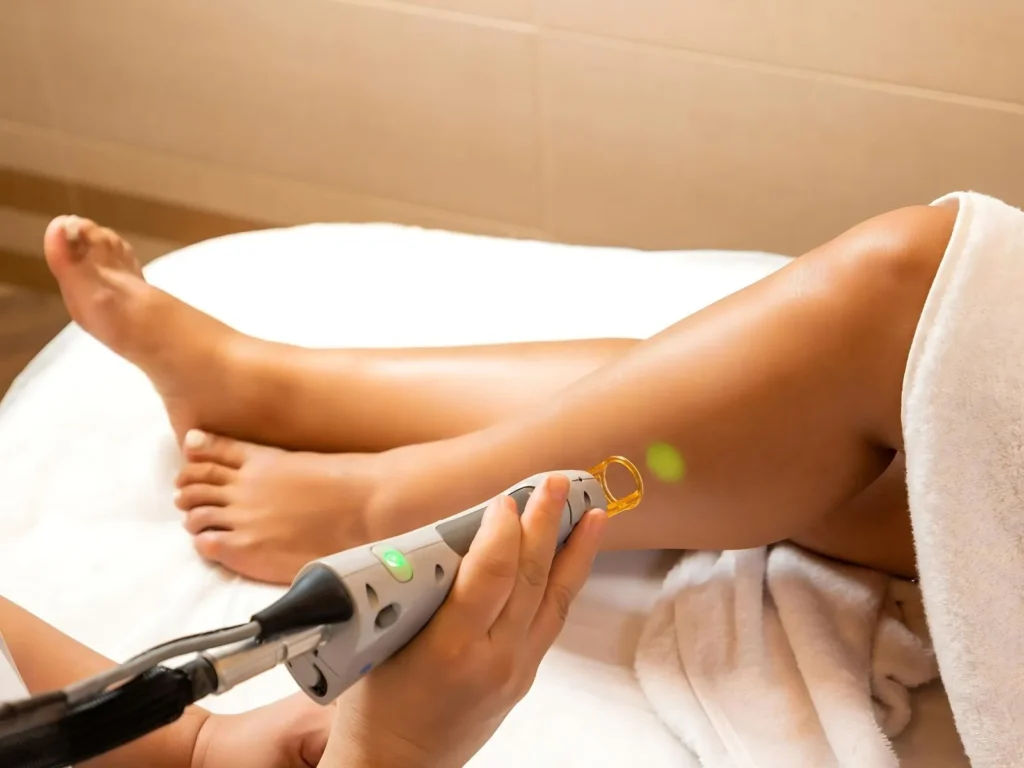
Laser hair removal works by utilizing concentrated beams of light to target the hair follicles. The pigment, or melanin, in the hair absorbs the laser light, which then converts to heat. This heat effectively damages the hair follicle, inhibiting its ability to produce new hair. The treatment is most effective on dark hair because it contains more melanin, making it easier for the laser to identify and target. The process aims to achieve permanent hair reduction by disrupting the hair growth cycle without damaging the surrounding skin. Each laser pulse targets multiple hair follicles simultaneously, making it an efficient method for removing unwanted hair from various parts of the body.
Benefits of Laser Hair Removal
The primary benefit of laser hair removal is significant and long-lasting hair reduction, often leading to permanent hair removal after a series of treatments. Unlike temporary hair removal methods, laser hair removal offers a durable solution to unwanted hair, resulting in smoother skin. Patients experience fewer ingrown hairs and skin irritation commonly associated with shaving and waxing. The precision of laser technology allows for the targeting of dark hair while leaving the surrounding light skin undamaged, making it a safe and effective option for many. Furthermore, the convenience of not having to constantly remove hair saves time and effort in daily routines, providing a substantial improvement in quality of life for many women.
Common Areas for Laser Hair Removal
Laser hair removal for women can be performed on almost any area of the body where unwanted hair is present. The versatility of laser hair removal treatments makes it an ideal solution for comprehensive body hair management. The effectiveness and safety of the procedure allow for tailored treatment plans to address specific concerns and desired outcomes for various body parts.
| Common Treatment Areas | Additional Treatment Areas |
|---|---|
| Bikini line | Full back |
| Underarms | Arms |
| Legs | Chin |
| Upper lip |
Preparing for Your Laser Hair Removal Session
Proper preparation can make a significant difference to the comfort, safety, and effectiveness of your laser treatment. Laser hair removal is a noninvasive cosmetic treatment designed to reduce unwanted hair by targeting the pigment inside the hair follicle. Because the treatment works with the natural growth cycle of your hair, understanding what to do before, during, and after each appointment is essential for achieving the best possible reduction in hair growth.
Laser hair removal is one of the most popular options for the removal of unwanted hair from areas such as the legs, underarms, face, back, chest, and bikini line. However, results can vary depending on your skin and hair characteristics, the type of hair being treated, and the laser technology used.
Things to Consider Before Treatment
Knowing how to prepare for laser hair removal is an important part of the treatment process. Laser hair removal uses concentrated light energy to target melanin within the hair. The pigment in the hair absorbs the laser energy, which is converted into heat and helps destroy hair follicles responsible for producing new hair.
Traditionally, hair removal is most effective when there is a strong contrast between hair and skin tone. This is why people with light skin and dark hair have often been considered ideal candidates. However, modern laser technologies have expanded treatment possibilities for people with dark hair and a broader range of skin tones, including dark skin.
Avoid Sun Exposure and Tanning
Avoid direct sun exposure and tanning for at least two weeks before your appointment. Tanned or sunburned skin may increase the likelihood of irritation and pigment changes.
Potential side effects include temporary redness, swelling, and changes in skin pigmentation. Other possible side effects include discomfort or sensitivity in the treatment area. More uncommon effects include blistering or skin texture changes, particularly when inappropriate laser settings are used.
Applying broad-spectrum sunscreen and protecting the treatment area from direct sunlight can help reduce these risks.
Shave Before Your Laser Hair Removal Session
Shave the treatment area approximately 24 hours before your appointment unless your technician provides different instructions.
Shaving removes surface hair while leaving the hair shaft and follicle beneath the skin intact. This allows the laser for hair removal to direct energy toward the follicle rather than burning longer hairs above the skin.
The laser targets growing hair follicles, particularly follicles in the active growth phase. Because not every hair is actively growing at the same time, multiple laser sessions are generally required.
Avoid Waxing, Plucking, and Electrolysis
Waxing, tweezing, and plucking should generally be avoided for several weeks before treatment. These methods pull the hair from the follicle, removing the target that the laser needs to identify.
For the laser to work efficiently, the melanin within the hair must remain inside the follicle.
Although numerous methods of hair removal are available, including waxing, shaving, depilatory creams, and electrolysis, laser technology offers a longer-term approach to managing unwanted growth.
Consider Your Skin Tone and Hair Color
The effectiveness of treatment depends significantly on the relationship between skin and hair pigmentation.
Laser technology generally responds best to dark, coarse hair because darker hair contains more melanin. Laser hair removal is less effective on very blonde, white, gray, or red hair because light-colored hair contains less pigment for the laser to target.
Different technologies may be selected depending on your skin tone. For example, an alexandrite laser may be used for hair removal on certain lighter skin types, while other laser systems may be considered for darker complexions.
A professional consultation allows a qualified provider to evaluate your skin tone, hair color, medical history, and treatment goals before selecting the appropriate laser for hair removal.
Organizations such as the American Society of Plastic Surgeons provide general patient education about cosmetic procedures, including laser-based treatments.
What to Expect During the Hair Removal Procedure
Hair removal is a procedure that can usually be completed relatively quickly, although treatment time depends on the size of the area.
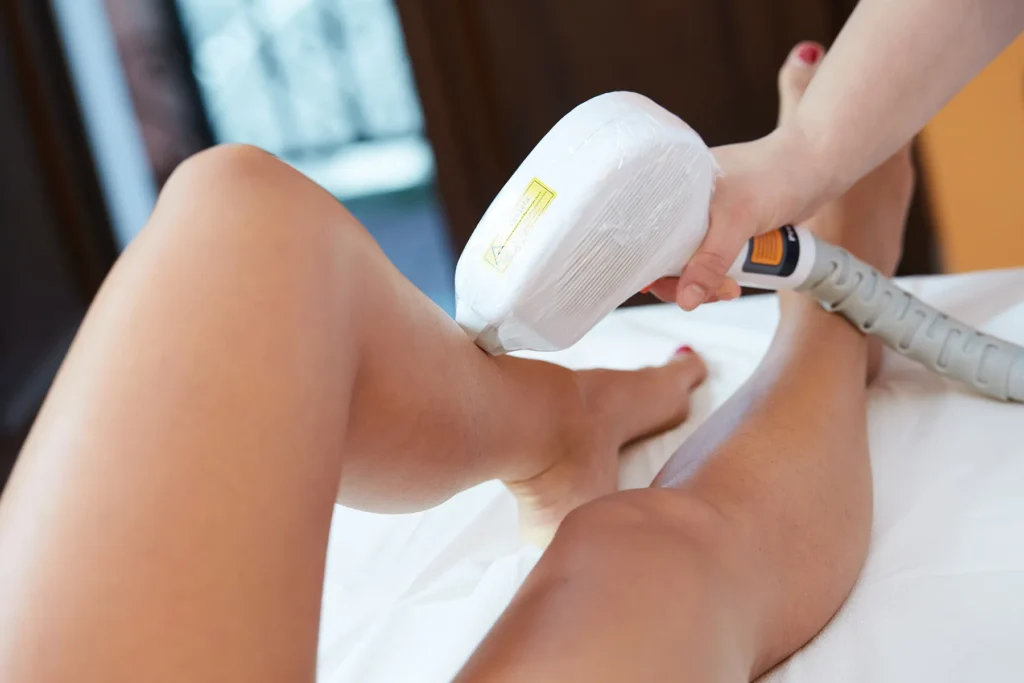
Laser hair removal is performed using a specialized device that emits concentrated pulses of light. The laser is passed across the treatment area, where energy is absorbed by the pigment in the hair.
Preparing the Treatment Area
Before treatment begins, the technician will usually clean the skin and inspect the area.
Depending on the laser system, a cooling gel or integrated cooling technology may be used to protect the skin and improve comfort.
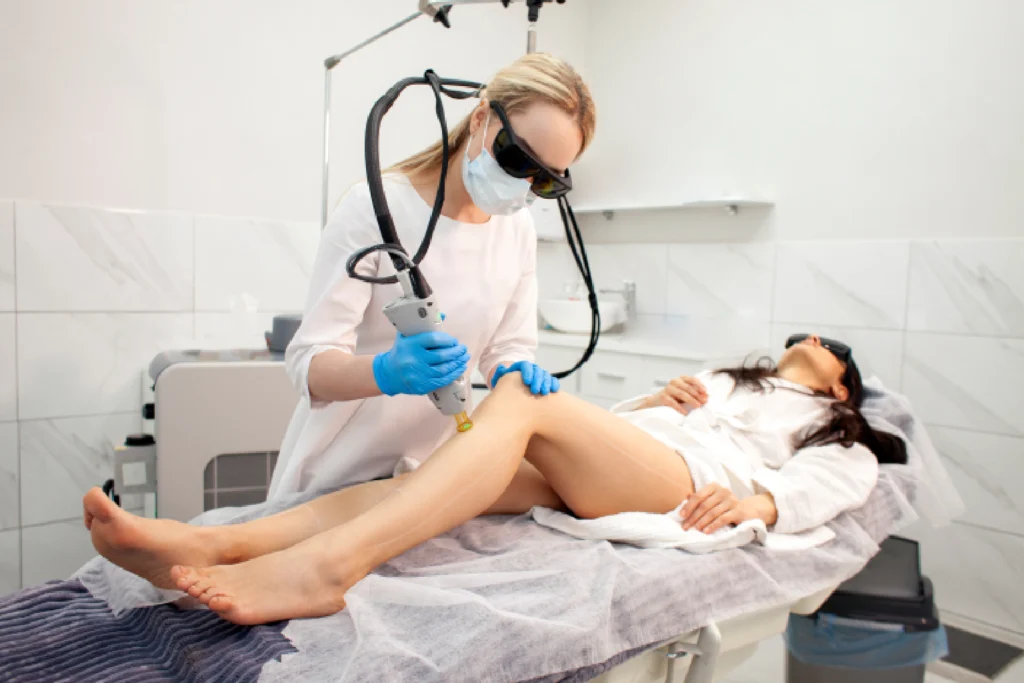
Both you and the technician will wear protective eyewear during the procedure.
How the Laser Removes Hair
The laser removes hair by delivering controlled light energy into the follicle. Heat generated by the absorbed energy damages the structures involved in producing hair.
This process helps prevent or delay future hair growth.
However, laser treatment does not necessarily guarantee permanent hair removal. Instead, it is generally described as a long-term hair reduction treatment.
When hair regrows, it may appear:
Finer
Lighter
Softer
Less dense
Slower growing
Although laser hair removal can produce significant long-term results, maintenance treatments may occasionally be required because hair may grow again over time.
What Does Laser Hair Removal Feel Like?
Many patients describe each laser pulse as feeling similar to a small rubber band snapping against the skin.
Others experience a brief warm or prickling sensation.
Sensitive areas, including the bikini line and upper lip, may feel more uncomfortable than larger treatment areas.
Laser hair removal is usually well tolerated, particularly when modern cooling technology is incorporated into the laser device.
How Long Does a Treatment Session Take?
Treatment time varies according to the size of the area.
| Treatment Area | Approximate Treatment Time |
|---|---|
| Upper lip | A few minutes |
| Underarms | 10–20 minutes |
| Bikini area | 15–30 minutes |
| Legs | 45–60+ minutes |
| Back or chest | 45–60+ minutes |
A small area can often be treated during a short appointment, while larger body areas require additional time.
Because only actively hair growing follicles respond optimally during each appointment, a series of treatments is normally recommended.
Why Multiple Laser Hair Removal Sessions Are Needed

Hair grows in different stages, and laser treatment is most successful during the active growth phase.
The laser cannot effectively target every follicle during one appointment because some follicles are dormant.
This means that hair after the first treatment may still be visible. Some treated hair will gradually shed over the following days and weeks, while untreated dormant follicles may later enter an active growth phase.
When hair grows back, additional sessions can target newly active follicles.
A typical treatment plan may involve several appointments spaced weeks apart. The exact number of sessions varies according to:
Treatment area
Hair thickness
Hair color
Skin tone
Hormonal factors
Individual hair growth patterns
The goal of repeated treatment is to progressively target more growing hair follicles and achieve a noticeable long-term reduction.
Post-Treatment Care for Laser Hair Removal
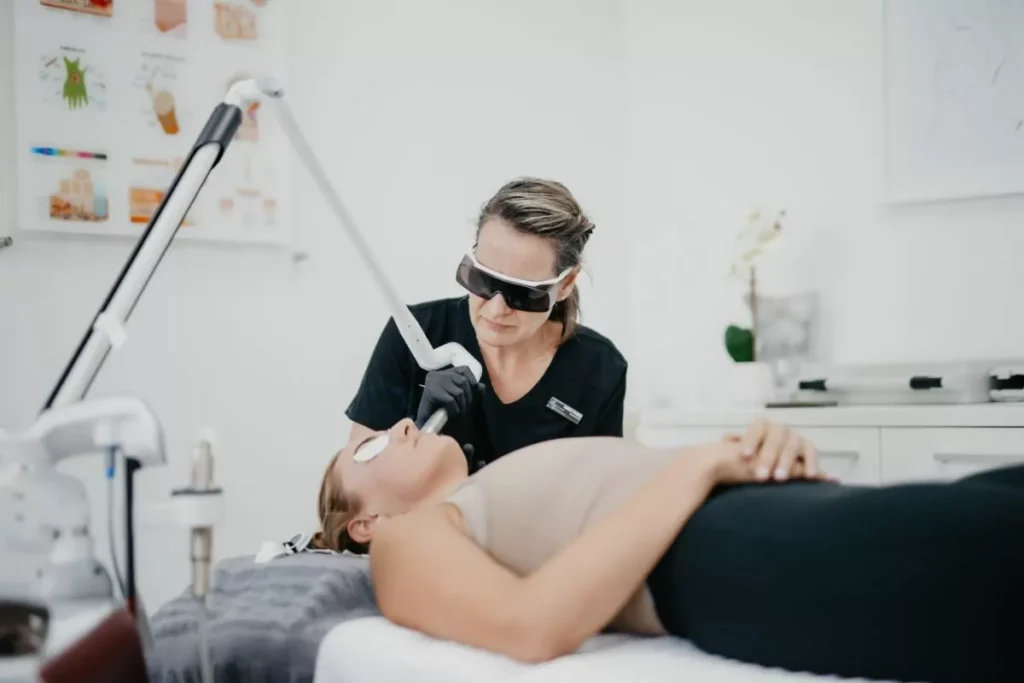
Proper aftercare is essential following your laser session. While hair removal is a noninvasive treatment, the skin may temporarily feel sensitive.
Soothe the Treated Skin
Temporary redness and slight swelling are common immediately after treatment.
These reactions may resemble a mild sunburn.
Apply a cool compress or soothing aloe vera gel to the area if recommended by your provider. Avoid scratching or aggressively rubbing the skin.
Protect Your Skin From the Sun
Continue avoiding direct sun exposure and tanning beds for at least two weeks after treatment.
Use a broad-spectrum sunscreen on exposed treatment areas.
Sun protection is particularly important because laser-treated skin may temporarily be more sensitive to ultraviolet radiation.
Avoid Heat and Excessive Sweating
For approximately 24 to 48 hours after treatment, consider avoiding:
Hot baths
Saunas
Steam rooms
Very hot showers
Intense exercise
Excessive heat and sweating may irritate recently treated skin.
Allow Treated Hair to Shed Naturally
Do not wax or pluck the treatment area between appointments.
The treated hair may gradually fall out over one to three weeks. This shedding process is normal and should not be confused with immediate new growth.
Allow the hairs to fall naturally.
Shaving may generally be permitted between treatments once the skin has recovered, but always follow the instructions provided by your laser technician.
Is Laser Hair Removal Right for You?
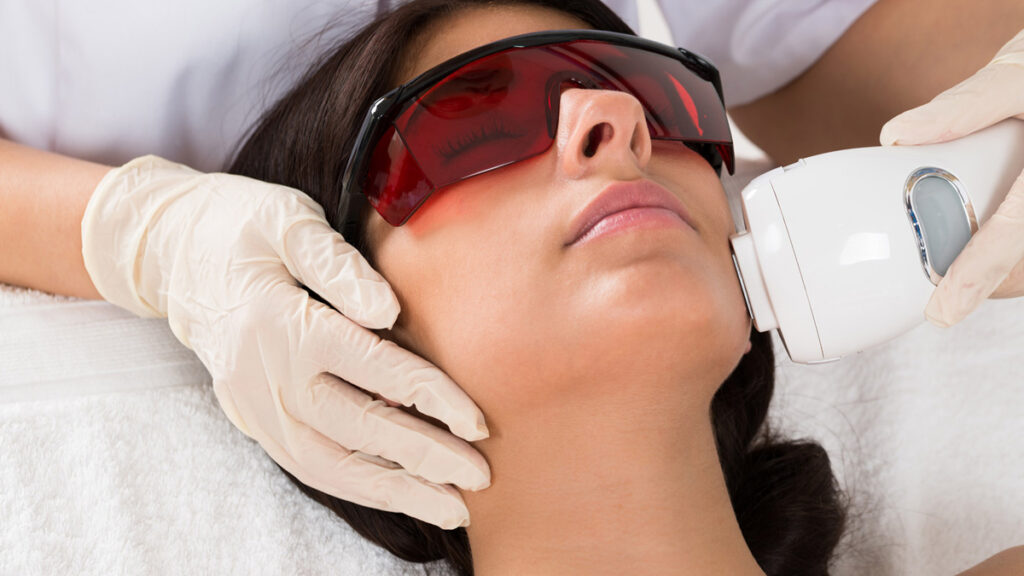
Laser treatment is a popular procedure to remove unwanted hair and can be used to remove unwanted body hair from numerous areas.
Although laser technology has advanced considerably, treatment outcomes vary between individuals. Laser hair removal effectively reduces growth for many people, but hair color, skin tone, hormones, and treatment consistency can all influence results.
The contrast between hair pigment and skin tone remains an important consideration, although newer technologies have improved treatment options for a wider range of complexions.
For people seeking an alternative to frequent shaving or waxing, laser treatment may provide significant long-term convenience. While hair may grow again and hair grows back differently for each person, successful treatment can result in noticeably finer and less dense growth.
A consultation with a qualified professional is the best way to determine the appropriate laser for hair removal, understand possible hair removal include treatment options, discuss individual risks, and create a personalized plan designed to safely reduce unwanted growth.
Results and Expectations
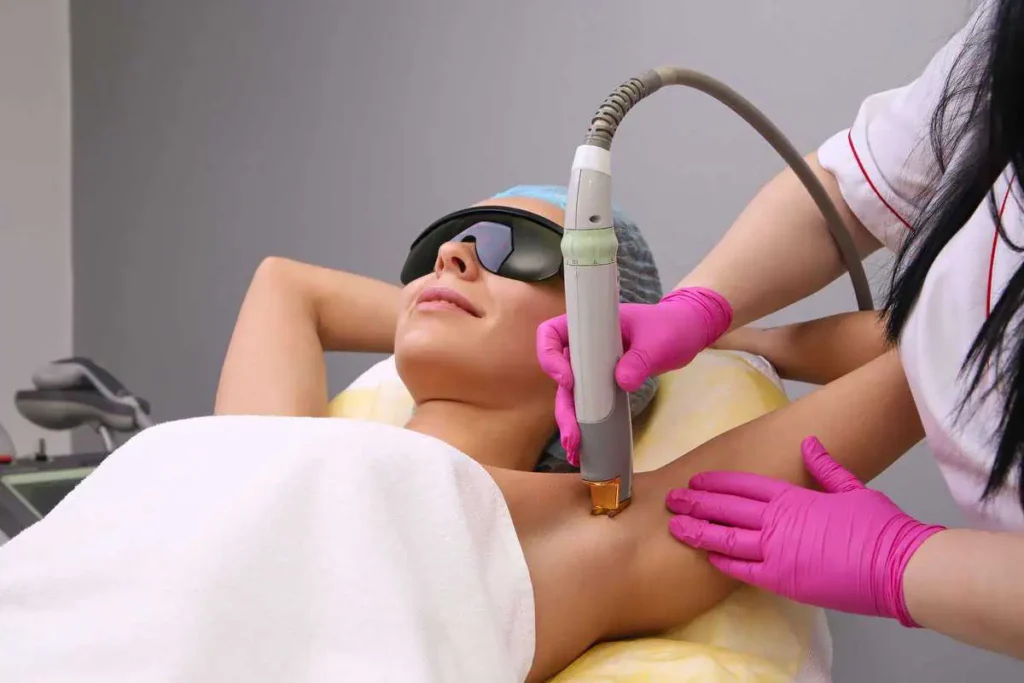
Timeline for Hair Reduction Results
Achieving significant hair reduction through laser hair removal requires a series of treatments, as the laser is most effective on hair follicles in their active growth phase. Typically, patients will begin to notice a visible reduction in unwanted hair after two to three laser hair removal treatments. However, for more substantial and permanent hair reduction, a complete course of 6-8 sessions is usually recommended, spaced 4-6 weeks apart depending on the treatment area and the individual’s hair growth cycle. The cumulative effects of laser pulses over time progressively damage the hair follicle, leading to finer, sparser hair, and eventually, the inability of the follicle to produce new hair. The effectiveness of the laser treatment is also influenced by hair color and skin type, with dark hair and light skin generally responding best.
Managing Expectations for Unwanted Hair Reduction
While laser hair removal is highly effective for long-term hair reduction, it is important to manage expectations regarding the results. It is more accurate to describe the outcome as permanent hair reduction rather than permanent hair removal, as some hair follicles may eventually recover or new hair follicles may become active due to hormonal changes. The goal is a significant decrease in hair density and thickness, making the remaining hair much less noticeable and easier to manage. Factors such as hair color, skin type, and the specific treatment area can influence the degree of hair reduction achieved. Individuals with dark hair and light skin typically experience the most dramatic results, while those with lighter hair colors like blonde, red, or gray hair may find laser hair removal isn’t as effective due to the lack of melanin in the hair shaft.
At-Home Laser Hair Removal Options
For individuals considering at-home solutions, there are various laser hair removal devices available designed for personal use. These at-home devices typically use lower energy levels compared to professional in-clinic lasers, which generally translates to less intense but still noticeable hair reduction over time. While they offer convenience and privacy, it’s crucial to understand their limitations and potential risks. They are often best suited for smaller areas and individuals with specific hair and skin color combinations, usually dark hair and light skin. It is essential to follow the manufacturer’s instructions carefully to minimize the risk of side effects, which can include skin irritation or burns. For optimal and safe results, especially when dealing with darker skin or larger areas of unwanted hair, professional laser hair removal treatments are generally recommended.
