


Explore Next-Gen Machine Learning, Harness Intuitive Ecosystems, and Transform Connected Living Environments Online
Welcome to an exploration of how the future of artificial intelligence and AI in smart homes are being completely transformed by technological advancements, offering unprecedented levels of smart comfort for every household. As we look ahead, the synergy between advanced systems and everyday living spaces redefines convenience, efficiency, and security.

Understanding AI and Smart Homes
Comprehending the intersection of modern innovation and residential spaces requires a close look at how artificial intelligence and smart home ecosystems function together. This synergy creates living environments that utilize continuous learning and adaptation to:
- anticipate human needs
- optimize energy consumption
- streamline daily routines
What is Artificial Intelligence?
Artificial intelligence represents a monumental leap in computer science, enabling machines to process vast amounts of data and perform tasks that traditionally required human cognition. As AI evolves, algorithms can recognize patterns, make decisions, and solve complex problems autonomously across various platforms.
Defining Smart Home Technology
Smart home technology encompasses a wide array of interconnected smart devices designed to communicate seamlessly over a home network. These innovative home technologies facilitate unprecedented automation, allowing residents to manage their home environments with remarkable ease and precision, including:
- Lighting
- Climate
- Security systems
The Role of AI in Smart Homes
The integration of artificial intelligence elevates standard residential setups into truly responsive environments. With strategic AI use, smart home devices analyze behavioral patterns to deliver personalized experiences, ensuring optimal energy efficiency and higher safety standards for modern homeowners.
The Evolution of AI in Smart Home Devices
Historical Development of AI Technologies
The evolution of AI has transitioned from basic rule-based programming to sophisticated machine learning models that power modern home technologies. Early computational systems laid the groundwork for the current smart home revolution, enabling the integration of artificial intelligence into everyday items and establishing the foundation for unprecedented domestic automation and connectivity.
Current Trends in Smart Home Devices
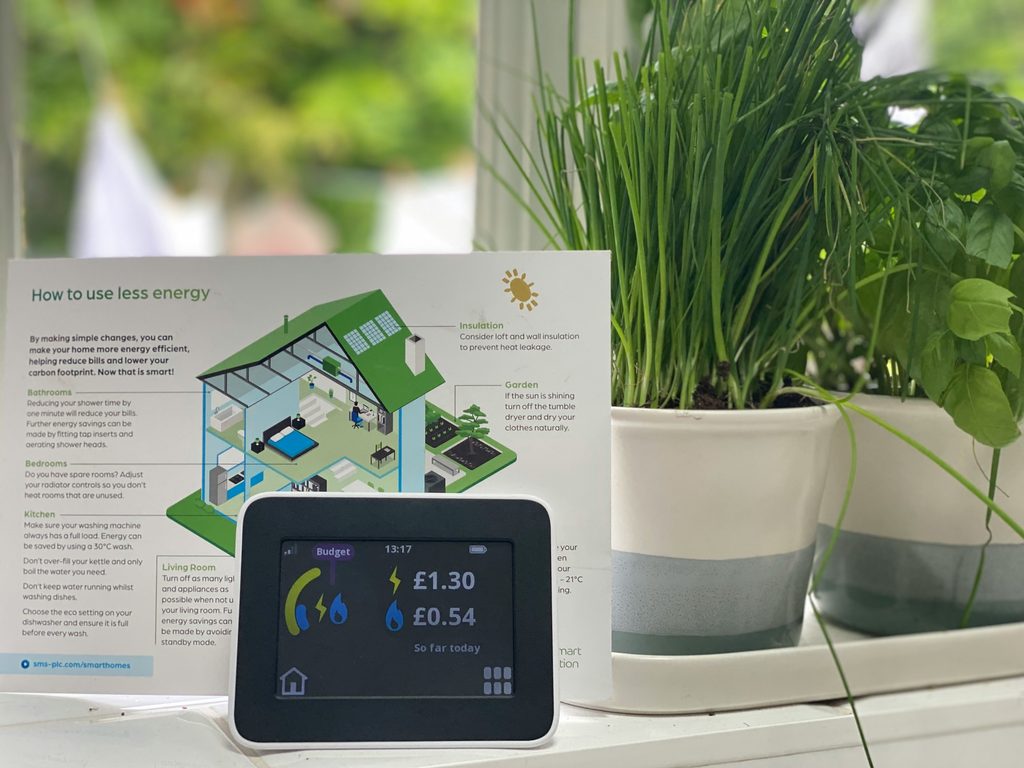
Today, a wide array of smart home devices utilizes advanced AI technology to learn user preferences and optimize domestic environments. The continuous expansion of the home network allows these smart devices to communicate effortlessly, ensuring that the use of AI delivers maximum efficiency, enhanced convenience, and superior control over daily household routines.
Future Innovations in AI for Smart Homes
Looking toward the future of smart homes, upcoming innovations promise even deeper integration of artificial intelligence into our living spaces. Anticipated advancements in AI and smart home ecosystems will likely introduce features that adapt instantly to changing household needs and environmental conditions, such as:
- predictive maintenance
- highly intuitive interfaces
- autonomous security systems
Responsible AI and Its Framework in Smart Homes
Understanding Responsible AI Principles
Implementing responsible AI within residential environments requires a steadfast commitment to ethical standards and data privacy. As consumers adopt new AI tools, maintaining transparency regarding data collection becomes essential to mitigate privacy risks and prevent any potential breach of sensitive personal information within the household network.
Framework for Implementing Responsible AI
Establishing a robust framework for AI governance ensures that manufacturers adhere to best practices when deploying smart home devices. This structured approach helps safeguard privacy and security, balancing the incredible benefits of using artificial intelligence with necessary safeguards that protect user trust and maintain ethical integrity across all platforms.
AI Regulations Impacting Smart Home Technologies
Compliance with evolving AI regulations and privacy laws is critical for developers operating globally, including alignment with Australia’s privacy mandates. Policymakers and federal agencies continue to refine legal standards, ensuring that the deployment of AI in smart homes respects consumer rights while fostering safe, innovative technological advancements.
Best Practices for Using AI in Smart Homes
Artificial intelligence is transforming modern living by making homes more connected, efficient, secure, and responsive to individual preferences. From intelligent voice assistants and automated lighting to advanced security cameras and energy-saving systems, AI in smart homes offers exciting opportunities to improve convenience, safety, and everyday comfort.
However, as households increasingly integrate AI systems into their daily routines, adopting responsible practices becomes essential. Smart home technology frequently collects and processes personal information, including voice commands, household routines, energy consumption patterns, and security footage. Without appropriate safeguards, this information could be exposed to unauthorized access, misuse, or privacy breaches.
In the age of AI, homeowners, technology manufacturers, and software developers must work together to ensure that artificial intelligence is used safely, ethically, and responsibly. Following established privacy standards, implementing strong cybersecurity protections, and maintaining transparency around data usage can help households enjoy the advantages of intelligent automation while protecting their personal information.
Whether you’re installing smart speakers like Alexa, integrating intelligent security cameras, or connecting devices like thermostats to an automated home network, understanding responsible AI use is fundamental to creating a secure and reliable smart home environment.

Ethical Considerations in AI Deployment
Ethical artificial intelligence is a critical component of developing trustworthy smart home technologies. As intelligent devices become increasingly capable of learning household routines, predicting preferences, and making automated decisions, manufacturers must ensure that their products respect user privacy, personal autonomy, and fundamental human rights.
The ethical development and deployment of smart home AI requires a thoughtful approach to transparency, accountability, security, and user control.
Protecting Data Privacy and Personal Information
One of the most significant ethical concerns surrounding AI-powered smart homes is the collection and processing of sensitive household information.
Modern smart home devices may collect data about:
Daily routines and household occupancy.
Voice commands and interactions with virtual assistants.
Indoor and outdoor security camera recordings.
Temperature preferences and energy consumption.
Smart lighting schedules.
Device usage patterns.
Connected appliances and entertainment systems.
Home security events and access records.
Although this information can improve personalization and automation, excessive data collection may expose homeowners to unnecessary privacy risks.
To protect personal information, smart home technology providers should follow data minimization principles, collecting only the information necessary to deliver specific features.
Homeowners should also understand how their information is collected, stored, processed, and shared with third parties.
Best practices for protecting smart home data include:
Reviewing privacy policies before installing connected devices.
Limiting unnecessary microphone, camera, and location permissions.
Choosing products with clear data retention and deletion controls.
Enabling multifactor authentication where available.
Using strong, unique passwords.
Reviewing connected applications and third-party integrations.
Disabling unnecessary data sharing and optional analytics.
Selecting local processing options when supported.
These measures can reduce the likelihood of unauthorized access while giving users greater control over their digital privacy.
Transparency and Informed User Consent
Transparency is essential for establishing trust between homeowners and AI technology providers.
Users should understand when artificial intelligence is operating, what information it processes, and how automated decisions affect their living environment.
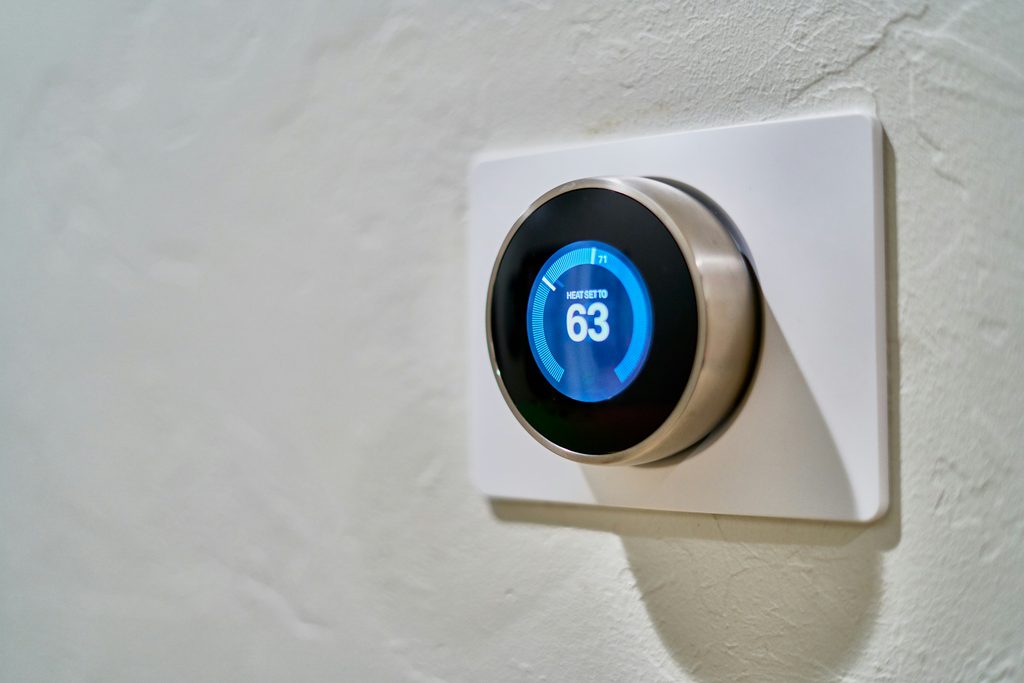
For example, an AI-powered thermostat may learn household schedules to adjust heating and cooling automatically. While this can improve energy efficiency and smart comfort, users should be able to understand and modify those settings without unnecessary difficulty.
Responsible manufacturers should provide clear explanations of AI functionality and accessible privacy controls.
Homeowners should be able to:
Review their device’s data collection settings.
Adjust or disable personalized recommendations.
Delete stored voice recordings where supported.
Manage access permissions for household members.
Override automated decisions.
Disconnect unnecessary integrations.
Providing meaningful control over AI functionality helps ensure that smart home automation enhances daily living without undermining personal independence.
Fairness and Non-Discrimination in Smart Home AI
Another important consideration is fairness and non-discrimination in the design and operation of intelligent home technologies.
AI-powered devices should be designed to work effectively for people with different accents, languages, ages, abilities, and accessibility requirements.
For example, voice recognition technology may perform differently across speech patterns and languages. If an intelligent assistant consistently struggles to understand certain users, it could create unequal access to essential smart home features.
Developers should evaluate their AI models using diverse testing scenarios to identify performance differences and potential biases.
Ethical AI development should aim to:
Ensure fair treatment of different user groups.
Improve accessibility for people with disabilities.
Support diverse languages and communication styles.
Reduce avoidable algorithmic bias.
Provide alternative methods for controlling connected devices.
Allow users to correct inaccurate AI predictions.
By prioritizing inclusive design, manufacturers can develop intelligent home systems that serve a broader range of households.
Risk Management Strategies
Effective risk management is essential for protecting smart home networks from cybersecurity threats, technical failures, and unintended consequences of automated decision-making.
As homes become increasingly connected, every smart device can potentially introduce additional security vulnerabilities.
A compromised security camera, poorly protected smart speaker, or outdated home automation hub may create opportunities for unauthorized access to personal information or connected systems.
Implementing a comprehensive risk assessment process allows homeowners and manufacturers to identify vulnerabilities before they result in serious problems.
Conducting a Smart Home AI Risk Assessment
A structured risk assessment examines the potential security, privacy, and operational risks associated with connected devices.
Before introducing new AI-powered technology into your home, consider the following questions:
What personal information does the device collect?
Does the device require continuous internet connectivity?
Where is collected information stored?
Does the manufacturer provide regular security updates?
Can the device operate without sharing unnecessary information?
What happens if the internet connection fails?
Can users manually override automated functions?
Does the device meet recognized security and industry standards?
Are third-party integrations adequately protected?
Evaluating these factors helps homeowners make informed decisions when selecting smart home products.
| Potential Risk | Recommended Risk Management Strategy |
|---|---|
| Unauthorized device access | Use strong passwords and multifactor authentication where available. |
| Privacy breaches | Limit data collection and review privacy permissions. |
| Outdated device software | Install security patches and firmware updates. |
| Insecure home networks | Use modern Wi-Fi encryption and secure router settings. |
| AI decision errors | Enable manual overrides and review automation settings. |
| Third-party data sharing | Check application permissions and provider privacy policies. |
| Device compatibility problems | Choose products supporting recognized interoperability standards. |
| Internet or cloud service outages | Maintain essential manual controls and offline functionality where possible. |
These precautions help reduce the likelihood and impact of security incidents while supporting reliable smart home operation.
Strengthening Home Network Security
Your home network connects many of the devices responsible for intelligent automation, making network security one of the most important aspects of smart home protection.
A secure network can help prevent unauthorized access to AI-powered appliances, cameras, lighting systems, and other connected technologies.
Recommended security measures include:
1. Secure Your Wi-Fi Router
Change default administrator credentials, use strong encryption such as WPA3 when supported, and keep router firmware updated.
2. Separate Smart Home Devices
Consider placing connected appliances and Internet of Things (IoT) devices on a dedicated network or appropriately isolated guest network.
3. Keep Software Updated
Install security updates for smart home hubs, mobile applications, routers, and connected devices.
4. Disable Unnecessary Features
Turn off unused remote access functions, network services, and device integrations that may increase security exposure.
5. Monitor Connected Devices
Periodically review the devices connected to your network and investigate unfamiliar activity.
6. Maintain Manual Alternatives
Ensure important functions, including door access, heating, and lighting, remain manageable when automated systems malfunction.
These security measures support safer AI integration and help protect connected households against common cyber threats.

Understanding AI Regulations and Compliance
The rapidly evolving regulatory environment surrounding artificial intelligence creates additional responsibilities for smart home technology manufacturers.
Depending on where products are developed, marketed, or used, companies may need to comply with applicable privacy legislation, consumer protection requirements, cybersecurity rules, and AI-specific regulations.
The international regulatory landscape continues to evolve as governments establish new expectations for AI transparency, accountability, and data protection.
Relevant regulatory frameworks may address:
Personal data protection.
Consumer consent.
Cybersecurity requirements.
Automated decision-making.
AI transparency.
Product safety.
Children’s privacy.
Algorithmic accountability.
Manufacturers should assess applicable local laws and relevant international requirements rather than assuming that one set of regulations applies universally.
Failure to comply with applicable legal obligations can result in investigations, financial penalties, product restrictions, or other enforcement actions.
For consumers, selecting manufacturers that demonstrate a commitment to recognized privacy and security practices can provide additional confidence when investing in connected home technology.
Research and Development in AI for Smart Homes
Ongoing research and development in AI is shaping the next generation of intelligent home automation.
Advancements in machine learning, natural language processing, computer vision, and predictive analytics are enabling smart devices to become more responsive to household needs.
As emerging technologies continue to evolve, researchers and developers are exploring ways to improve energy efficiency, accessibility, personalization, and security while reducing unnecessary data collection.
Advancements in AI Models and Machine Learning
Modern AI models can analyze information from connected devices to identify patterns and support more sophisticated automation.
For example, an intelligent home management system may learn when household members typically arrive home and automatically adjust lighting or temperature settings.
Similarly, AI-powered energy management systems may analyze electricity consumption and suggest opportunities to reduce unnecessary energy use.
Potential applications include:
Predictive heating and cooling adjustments.
Intelligent lighting schedules.
Automated appliance management.
Personalized voice assistant responses.
Smart security alerts.
Energy consumption forecasting.
Home maintenance notifications.
Accessibility-focused automation.
These developments can make homes more comfortable and efficient while reducing the amount of manual intervention required.
However, advanced automation should always include appropriate safeguards to prevent inaccurate predictions from creating inconvenience or safety concerns.

Edge AI and Privacy-Focused Smart Home Technology
One promising direction in smart home research is edge artificial intelligence.
Edge AI allows certain data-processing tasks to occur directly on a smart device or local home hub rather than relying entirely on remote cloud servers.
For example, a compatible security camera may analyze motion locally and identify relevant activity without continuously uploading all video footage for cloud-based processing.
Potential advantages include:
Reduced dependence on cloud connectivity.
Faster responses for certain automated functions.
Greater control over locally processed information.
Lower network bandwidth requirements.
Reduced transmission of sensitive household data.
Local processing does not automatically guarantee privacy or security, but it can reduce some risks associated with transmitting information to external services.
Combining edge AI with strong encryption, transparent privacy controls, and secure device management supports more privacy-conscious smart home innovation.
Responsible Innovation and Future Smart Home Technologies
The future of intelligent residential technology depends on balancing innovation with user safety, accessibility, and trust.
Responsible innovation requires developers to consider potential risks throughout the entire product lifecycle, from initial research and design to testing, deployment, updates, and eventual device retirement.
Rather than focusing exclusively on advanced functionality, manufacturers should prioritize technologies that deliver meaningful benefits without introducing unnecessary privacy or security risks.
Important research priorities include:
More accurate and inclusive voice recognition.
Improved compatibility between smart home platforms.
Energy-efficient AI processing.
Stronger device authentication.
Transparent automated decision-making.
Secure local data processing.
Accessible interfaces for users with different needs.
Reliable offline operation for essential household functions.
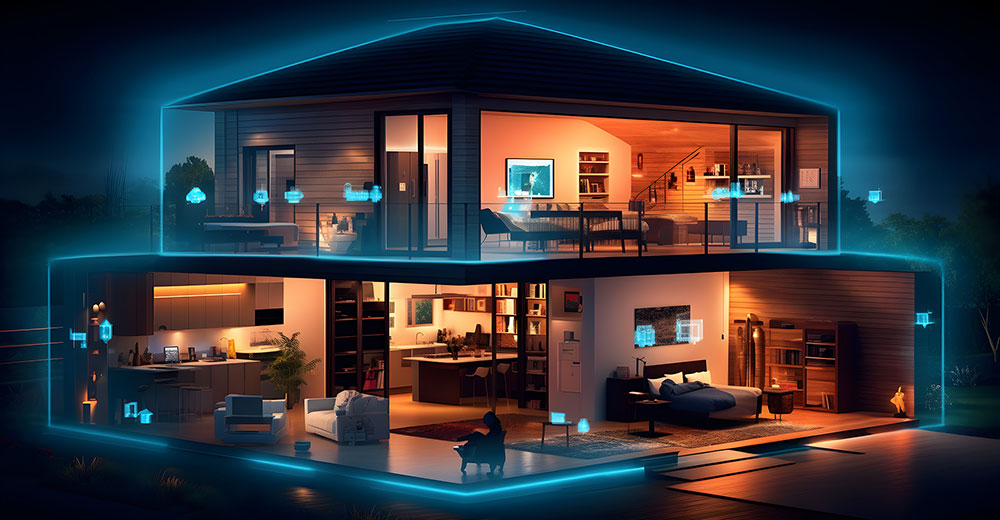
For example, future smart home systems may combine occupancy sensors, environmental monitoring, and intelligent temperature control to maintain smart comfort while minimizing unnecessary energy consumption.
Similarly, advanced security systems may become better at distinguishing ordinary household activity from events that genuinely require attention, potentially reducing false alarms.
These developments illustrate how the responsible development and deployment of artificial intelligence can improve everyday living while supporting user confidence.
Key Takeaways for Responsible AI Use in Smart Homes
Successfully integrating artificial intelligence into a smart home requires more than purchasing the latest connected devices. Homeowners and technology providers must consider privacy, security, transparency, accessibility, and long-term reliability.
The most important best practices include:
Prioritize privacy and understand how personal information is collected and used.
Choose connected devices from manufacturers that provide ongoing security support.
Conduct a risk assessment before integrating unfamiliar AI-powered technologies.
Keep software, firmware, and network security settings updated.
Maintain manual control over important household functions.
Evaluate AI technologies for fairness, accessibility, and reliability.
Follow applicable regulatory requirements and recognized industry standards.
Support responsible innovation that balances technological advancement with user protection.
By applying these principles, households can benefit from intelligent automation while reducing unnecessary risks.
Ultimately, responsible AI use is about creating smart homes that are not only technologically advanced but also secure, transparent, inclusive, and dependable. As artificial intelligence continues to evolve, maintaining this balance will be essential for building connected living environments that genuinely improve comfort, convenience, energy efficiency, and quality of life.
Governance and Future of AI in Smart Homes
Establishing effective oversight mechanisms is essential for the sustainable growth of AI in smart homes. Comprehensive governance structures help standardize protocols across the industry, ensuring that the deployment of artificial intelligence aligns with societal values, legal requirements, and consumer expectations for safety and reliability.
AI Governance Models
Robust AI governance models provide the necessary structure to guide developers, manufacturers, and policymakers in maintaining ethical standards. These frameworks regulate how AI technology is deployed within the home network, balancing innovation with stringent accountability measures to protect user rights and data integrity.
Impact of Regulations on AI Development
Evolving AI regulations and regional privacy laws significantly shape the trajectory of smart home advancements. Compliance with strict standards, including relevant federal agencies and regional mandates, ensures that the implementation of artificial intelligence remains lawful, transparent, and protective of consumer interests across all markets.
Looking Ahead: The Future of Smart Home AI
Anticipating the future of smart homes reveals a landscape where predictive analytics and autonomous systems redefine domestic living. The ongoing evolution of AI promises to create increasingly intuitive environments that prioritize smart comfort, seamless connectivity, and absolute protection of personal data for every modern household.
