


Your Complete Guide to Preparing for Interviews and Making a Strong First Impression
Navigating the complexities of a job interview can be daunting, but with the right preparation and mindset, you can significantly enhance your chances of success. This article provides essential job interview tips to help you make a great impression and secure your desired role.
The Importance of First Impressions in a Job Interview

Why First Impressions Matter
Making a good first impression in a job interview is absolutely crucial because it sets the tone for the entire interaction and can heavily influence the interviewer’s perception of you. These initial moments are your opportunity to demonstrate professionalism, enthusiasm, and a genuine interest in the job. A strong first impression can distinguish you from other candidates and lay the groundwork for a successful interview. It’s not just about what you say, but how you present yourself from the very beginning.
The Psychology Behind First Impressions
The psychology behind first impressions reveals that interviewers often form an opinion about a candidate within the first few minutes of a job interview. This rapid assessment is often based on non-verbal cues such as body language, eye contact, and overall demeanor, rather than just the answers to interview questions. People tend to trust their initial judgments, which means that a great first impression can create a positive bias that benefits you throughout the rest of the interview process.
Common Mistakes That Diminish Your Impression
Many common mistakes can unfortunately diminish your impression in a job interview, hindering your ability to make a great impression. Arriving late, showing a lack of preparation, or having poor body language are significant missteps. Failing to make eye contact, appearing disengaged, or not articulating a genuine interest in the job can also leave a negative lasting impression. Avoiding these pitfalls is essential for anyone aiming to make a great impression and succeed in their next job interview.
Preparing for Your Interview

Researching the Company
Thoroughly researching the company before your job interview is one of the most vital job interview tips to make a great impression. Understanding the company’s mission, values, recent news, and products will enable you to answer questions more effectively and demonstrate a genuine interest in the job. This preparation also helps you to formulate insightful questions to ask the interviewer at the end of the interview, showcasing your commitment and analytical skills.
Dressing for Success
Dressing for success is a critical component of making a great first impression in a job interview. Your attire should be professional and appropriate for the industry and role you are pursuing, even for a virtual interview. When you present yourself in a polished manner, it conveys respect for the interviewer and the opportunity, contributing to a lasting impression of professionalism and attention to detail.
Practicing Your Responses
Practicing your responses to common interview questions is an invaluable strategy for a successful interview. While you don’t want to sound rehearsed, familiarizing yourself with typical interview questions allows you to articulate your experiences and qualifications clearly. This preparation helps reduce nervousness, improves your body language, and ensures you can confidently answer questions, ultimately helping you make a great impression.
Tips to Make a Great Impression During the Interview

Making a positive first impression can significantly influence your interview success. While your qualifications and experience matter, the way you present yourself during the interview often determines whether you stand out from other job seekers. From the first few seconds until you leave the interview room, every interaction contributes to the overall interview outcome.
The following interview tips will help you make a good impression, demonstrate professionalism, and confidently showcase your best self throughout the actual interview.
Body Language and Non-Verbal Cues
Your body language speaks before you even answer your first interview question. Positive non-verbal communication demonstrates confidence, enthusiasm, and professionalism, helping you create a strong impression before the interview begins.
In fact, many hiring managers begin evaluating candidates during the first five minutes of the interview, and often within the first few seconds.
Arrive Prepared and Confident
Preparation starts long before the interview starts.
To make the best impression:
Arrive minutes early (around 10–15 minutes before your scheduled interview).
Know where you are going by planning your route in advance.
Bring a copy of your resume, references, and any supporting documents.
Silence your phone before entering the building.
Take a few deep breaths to relax before meeting the interviewer.
Being punctual demonstrates reliability and respect for the interviewer’s time.
Dress for Success
Your appearance is one of the first things an employer notices.
Always dress appropriately for the company culture while maintaining a polished appearance.
Depending on the workplace, choose either:
Business casual or professional attire
Full professional attire for corporate positions
Clean, neat clothing with minimal accessories
When in doubt, it’s better to be slightly overdressed than underdressed.
Use Positive Body Language
Confident body language reinforces your verbal communication.
Remember to:
Maintain good posture
Make natural eye contact
Smile genuinely
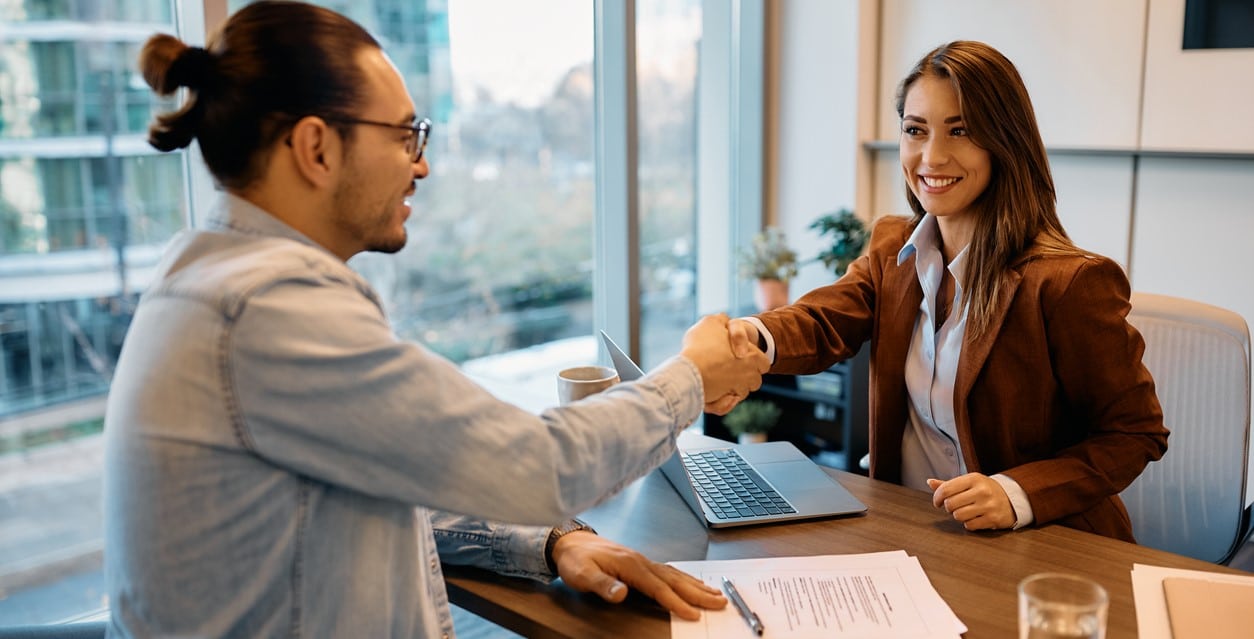
Offer a confident handshake (when appropriate)
Avoid crossing your arms
Keep your hands relaxed
Nod while listening
Positive body language helps create a great impression in a job interview and demonstrates genuine confidence.
Effective Communication Skills

Strong communication skills can set you apart from equally qualified candidates.
The goal isn’t simply to answer the questions—it’s to communicate clearly, confidently, and professionally while demonstrating why you’re the best fit for the role.
Prepare for Common Interview Questions
One of the most valuable tips to help you prepare is practicing your answers to common interview questions.
Expect common questions such as:
Tell me about yourself.
Why do you want this position?
What are your strengths and weaknesses?
Why did you leave your previous job?
Where do you see yourself in five years?
Why should we hire you?
Preparing thoughtful responses allows you to speak naturally instead of memorizing scripts.
Tailor Your Responses
Avoid giving generic answers.
Instead, tailor your responses to match the job description and the position you are applying for.
Whenever possible:
Highlight relevant accomplishments.
Discuss transferable skills.
Explain how your experience matches the employer’s needs.
Demonstrate how the opportunity aligns with your career goals.
This personalized approach helps interviewers see why you’re an excellent candidate.
Use Specific Examples
Employers appreciate candidates who support their answers with evidence.
Rather than making broad statements, use specific examples and real-life examples from your work history.
For example, instead of saying:
“I’m a good problem solver.”
Explain:
The challenge you faced.
The actions you took.
The positive results you achieved.
You can also share how you would approach challenges related to the role if you haven’t encountered identical situations before.
These examples make your responses more memorable and credible.
Listen Before You Answer
Great communication also involves active listening.
Allow the interviewer to finish speaking before responding.
If you’re unsure about a question, politely ask for clarification instead of guessing.
Thoughtful answers demonstrate professionalism and confidence.
Building Rapport with the Interviewer

Remember that an interview is a two-way conversation.
While the employer is evaluating you, you’re also determining whether the company and role are right for your future.
Building genuine rapport creates a more engaging conversation and leaves a lasting impression.
Demonstrate Genuine Interest
Show authentic enthusiasm by expressing your interest in the position and learning about the organization.
Before the interview, research:
The company’s website
Company mission and values
Leadership team
Products and services
Company culture
Recent achievements
Press releases
Recent news articles
This preparation demonstrates your knowledge of the company and helps you ask meaningful follow-up questions.
Ask Thoughtful Questions
Always arrive with several questions prepared.
Good questions about the company might include:
What does success look like in this role?
How is performance measured?
What training opportunities are available?
What are the biggest challenges facing the team?
What does the hiring process look like from here?
Avoid asking questions that can easily be answered by reviewing the company’s website.
Thoughtful questions demonstrate curiosity and long-term interest.
Build a Genuine Connection
Small moments of authentic conversation can help establish rapport.
Look for opportunities to:
Discuss shared interests.
Compliment the company on recent achievements.
Express excitement about the opportunity to interview.
Maintain a friendly, professional tone.
Natural conversations often leave a more memorable impression than overly rehearsed responses.
Finish the Interview Strong

Your impression doesn’t end when the interview concludes.
As the meeting wraps up:
Thank the interviewer for their time.
Reaffirm your enthusiasm.
Express your continued interest in the position.
Ask about the next steps in the hiring timeline.
These final moments often influence the overall interview outcome.
Follow Up After the Interview
Professional follow-up demonstrates courtesy and continued interest.
Within the hours of the interview, or preferably send a thank-you email within 24 hours, thanking the interviewer for the opportunity.
Your follow-up message should:
Express appreciation.
Reinforce why you’re excited about the role.
Briefly summarize why you’re a strong candidate.
Mention something specific discussed during the interview.
Taking time to send a thank you email helps you remain memorable and shows professionalism.
If appropriate, you can also follow up with the interviewer after the interview if you haven’t received an update within the timeframe they provided.
Every interview is an opportunity to learn, improve, and prepare for your next interview. By arriving prepared, dressing professionally, researching the company, practicing your responses, and using specific examples to demonstrate your experience, you’ll consistently make a good impression.
Remember that great job interviews aren’t just about having the perfect answers—they’re about showing confidence, professionalism, and enthusiasm from the first five minutes until the interview concludes. Whether you’re discussing your previous job, answering practical questions, or asking insightful questions about the company, your goal is to demonstrate that you’re the ideal fit for the role and ready to contribute from day one.
Follow-Up After the Interview
Importance of a Thank-You Note
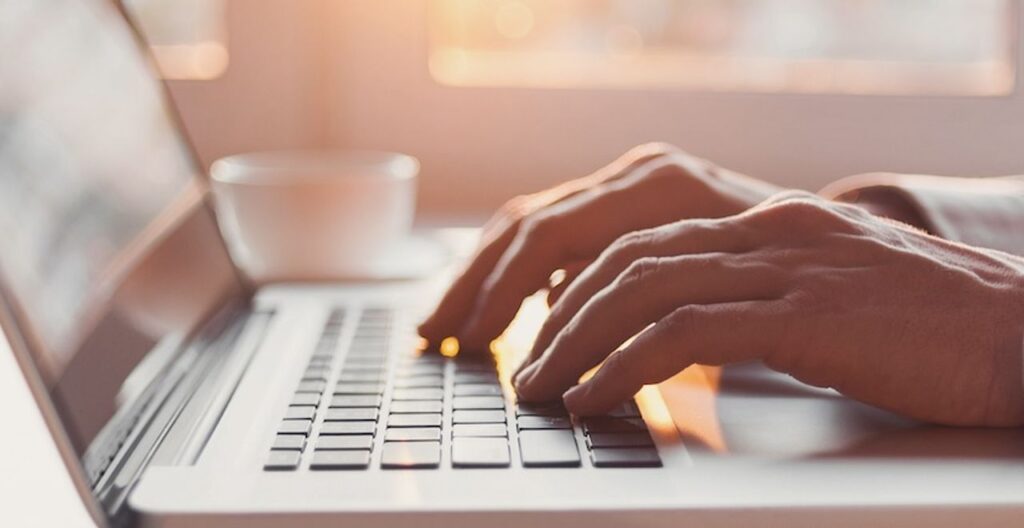
Sending a thank-you note after your job interview is one of the most crucial job interview tips for making a lasting impression. It demonstrates your professionalism, appreciation for their time, and continued interest in the job. This simple act reinforces your qualifications and reminds the interviewer of your enthusiasm, helping you to make a great impression even after the interview has concluded. A well-crafted thank-you email can truly set you apart from other candidates.
How to Maintain Professional Relationships
Maintaining professional relationships post-interview is vital, especially if you want to make a great impression for future opportunities, even if this particular job doesn’t materialize. Connect on professional networking sites, if appropriate, and keep your network updated on your career progress. A polite follow-up or a simple check-in can reinforce your good impression in an interview and showcase your long-term commitment to professional networking, which can be beneficial for your next job interview.
Learning from Feedback
Learning from feedback, whether positive or constructive, is an excellent way to continuously improve and make a great impression in future job interviews. If offered, thoughtfully consider any feedback provided by the interviewer regarding your performance. This demonstrates your openness to growth and your commitment to professional development. Understanding areas for improvement based on typical interview questions can significantly enhance your approach to your next job interview, helping you to make a great impression.
