


Australian Beef: A Butcher’s Guide to Every Steak Cut
From sizzling barbecues to gourmet restaurant plates, Australian beef holds a special place in the hearts of meat lovers worldwide. This guide will take you through the diverse and delicious world of steak cuts, helping you understand what makes each one unique.
Understanding Steak Cuts
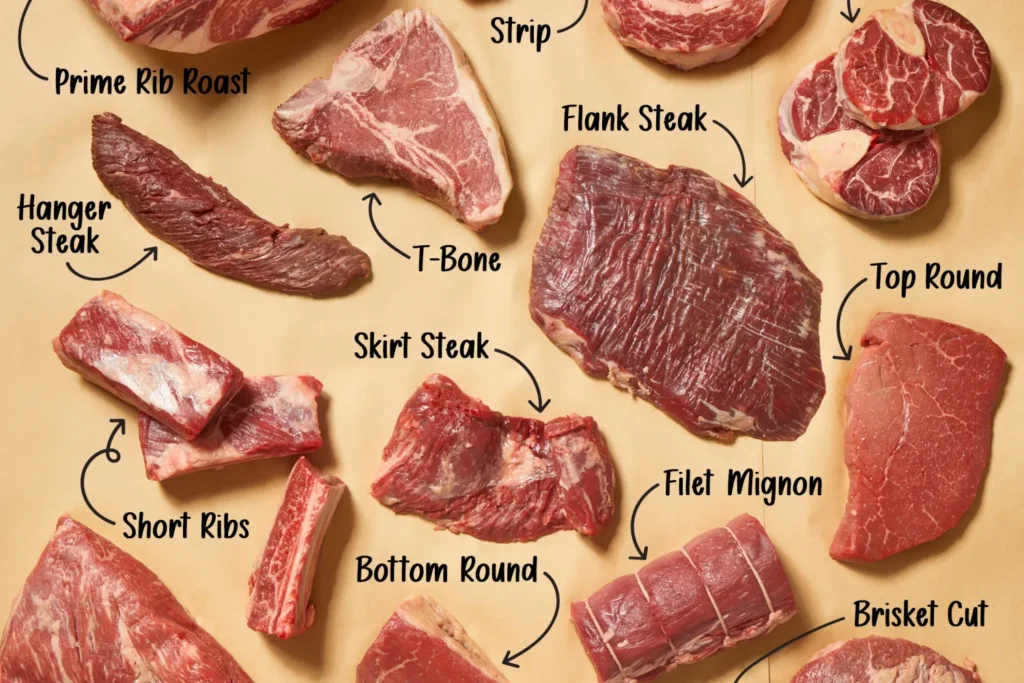
Delving into the world of Australian beef means appreciating the nuances of each steak cut. A knowledgeable butcher can guide you through the options, highlighting the best cut for your intended cooking method and desired flavor profile. Understanding these different cuts of meat is essential for anyone looking to truly enjoy a delicious steak.
What is a Steak Cut?
A steak cut refers to a specific portion of beef, typically sliced across the muscle fibers, designed for direct cooking methods such as grilling, pan-frying, or broiling. Each cut of beef boasts unique characteristics, including varying degrees of tenderness, fat content, and beef flavor, which greatly influence the final dish. A butcher meticulously prepares these cuts to ensure quality.
Popular Steak Cuts in Australia
Australia is renowned for its premium beef, and several popular steak cuts stand out. The scotch fillet, known for its rich flavor and tenderness, is a favorite, as is the versatile sirloin steak. Other popular choices include the lean rump steak, the robust porterhouse, and the prized eye fillet, each offering a distinct eating experience from quality Australian meat.
Quality Cuts of Beef
Identifying quality cuts of beef is paramount for a superior culinary experience. A premium steak will exhibit good marbling – small flecks of fat interspersed throughout the muscle – which contributes to both tenderness and and flavor. When you choose cuts like the eye fillet or a well-marbled scotch fillet, you are selecting cuts of meat known for their exceptional taste and juicy outcome.
Choosing the Right Cut of Beef
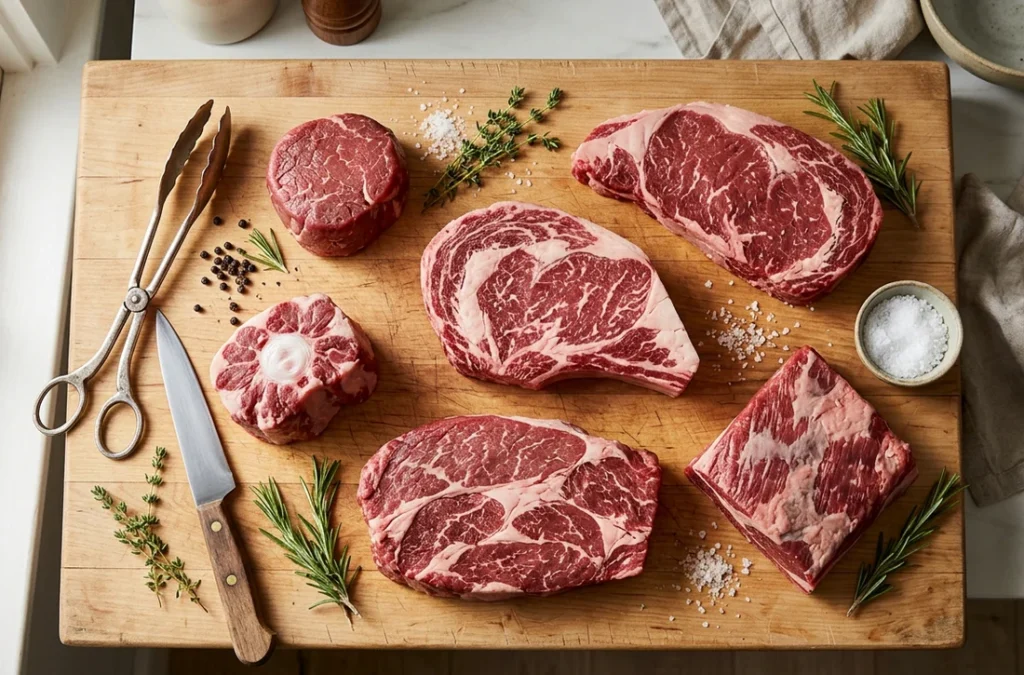
Choosing the right cut of beef can turn an everyday dinner into a memorable dining experience. With so many steaks, roasting joints, and secondary cuts available, understanding tenderness, marbling, flavour, and cooking method is essential when searching for the best beef for your recipe.
A good guide to Australian beef will quickly reveal that every part of the animal offers distinctive characteristics. Different muscles produce different textures, levels of tenderness, and flavour profiles. Some cuts deliver a mild and subtle flavour, while others are prized for providing the greatest beef flavour and a rich, satisfying eating experience.
From a buttery tender fillet and marbled scotch fillet to robust rump and versatile oyster blade, Australia’s beef industry offers cuts for almost every cooking style and budget. Your local butcher can also help you identify the best steak cut based on how you intend to prepare and serve your meal.
Factors to Consider When Choosing Beef
Before selecting your favourite cut, consider how the meat will be cooked, the level of tenderness you prefer, and the intensity of beef flavour you enjoy.
The most expensive steak is not automatically the best choice for every recipe. A tenderloin may be perfect for quick pan-frying, while a well-prepared secondary cut can deliver deeper flavour when cooked slowly.
Tenderness and Texture
Tenderness is one of the first characteristics most people consider when choosing steak.
Cuts taken from muscles that perform less work are generally more tender. These include the eye fillet, tenderloin steak, sirloin, and scotch fillet.
The tender fillet is particularly prized for its soft texture. Because the muscle does relatively little work, the meat remains exceptionally tender.
However, tenderness is only one part of the steak experience.
Different beef cuts naturally offer different textures.
| Beef Cut | Typical Texture |
|---|---|
| Eye fillet | Extremely tender and fine |
| Scotch fillet | Tender and juicy |
| Sirloin | Firm but tender |
| Rump | Firmer and substantial |
| Oyster blade | Tender when properly prepared |
| T-bone | Combination of two textures |
Some diners specifically prefer firmer steaks because they provide a more substantial bite.
When choosing among tender steaks, think about whether you prefer a buttery texture or a steak with greater chew and character.
Beef Flavour
Flavour varies considerably between cuts.
Eye fillet is known for its mild and subtle flavour, making it an excellent option for diners who value tenderness above intense beefiness.
Rump and rib cuts generally provide a stronger flavour.
For many steak lovers, a well-marbled rib-based steak offers some of the greatest beef flavour available.
A rib steak combines rich marbling with a robust beef character. The fat melts during cooking and contributes additional flavour and juiciness.
If flavour is your priority, you may choose scotch fillet or another well-marbled rib cut.
Marbling and Fat Content
Marbling refers to the fine streaks of intramuscular fat distributed throughout the meat.
During cooking, this fat begins to melt, contributing flavour and moisture.
Good marbling is often associated with premium beef and is particularly visible in cuts such as:
Scotch fillet
Rib steak
Wagyu
Premium sirloin
Certain grain-fed beef cuts
However, the ideal amount of fat depends on personal preference.
Some diners enjoy highly marbled steak, while others prefer leaner cuts such as a tenderloin steak.
Bone-In or Boneless Steak
The choice between bone-in and boneless steak is another important consideration.
Bone-in steaks include T-bone, porterhouse variations, and rib steak.
A T-bone provides two different steak experiences separated by the bone. On one side of the bone is the tenderloin section, while the other side features a larger strip steak portion.
This allows diners to experience different textures and flavours in a single steak.
A thick rib steak served on the bone can also make an impressive centrepiece for a special meal.
Boneless steaks are generally easier to portion, cook, and serve.
Best Cut of Steak for Different Cooking Methods
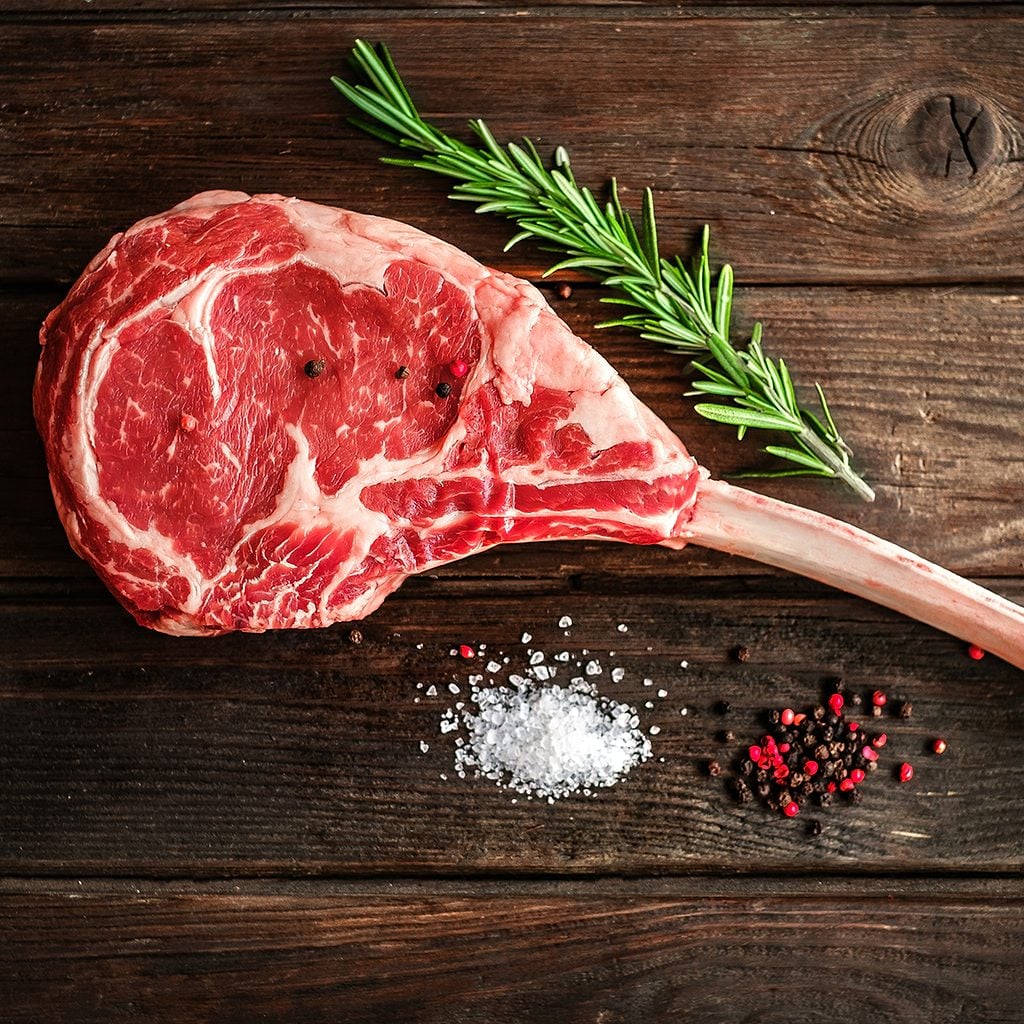
The best steak cut depends significantly on your cooking technique.
Some cuts respond beautifully to intense heat and quick cooking, while secondary cuts may require additional time to break down connective tissue and become tender.
Best Steaks for Grilling
Grilling requires steaks that can handle high temperatures while remaining juicy.
Excellent choices include:
Scotch fillet
Sirloin
New York steak
T-bone
Porterhouse
Rib steak
A New York steak, often cut from the striploin, offers a satisfying balance of tenderness and beef flavour.
Scotch fillet is another popular grilling option.
If you enjoy rich flavour and marbling, choose scotch fillet for your barbecue or grill.
These steaks are best served medium-rare to medium according to personal preference, allowing the meat to retain moisture and tenderness.
Best Steaks for Pan-Frying
Pan-frying is ideal for relatively tender steaks that cook quickly.
A heavy frying pan or cast-iron skillet can create a beautifully caramelised exterior.
Good pan-frying cuts include:
| Cut | Why It Works |
|---|---|
| Eye fillet | Extremely tender |
| Sirloin | Balanced flavour and texture |
| Scotch fillet | Excellent marbling |
| New York steak | Firm texture and rich flavour |
| Tenderloin | Lean and tender |
A tenderloin steak requires careful cooking because its lower fat content means it can become dry if overcooked.
For the best results, allow the steak to rest after cooking.
Best Beef for Slow Cooking
Slow cooking transforms harder-working muscles into tender and flavourful dishes.
This cooking method is particularly suitable for secondary cuts.
Popular slow-cooking cuts include:
Chuck
Brisket
Beef cheek
Shin
Oyster blade
Short ribs
Oyster blade steaks can be particularly versatile.
The oyster blade contains connective tissue that softens during slower cooking, producing tender and flavourful meat.
These cuts are ideal for casseroles, braises, and hearty winter dishes.
Best Cuts for Roasting
Larger cuts of beef are generally preferred for roasting.
Popular options include:
Rib roast
Sirloin roast
Rump roast
Tenderloin
Scotch fillet roast
A large rib roast provides dramatic presentation and intense flavour.
Tenderloin offers a more refined texture and mild and subtle flavour, making it suitable for elegant meals and special occasions.
The ideal roasting cut depends on the number of guests and your preferred flavour profile.
Popular Australian Beef Cuts Explained
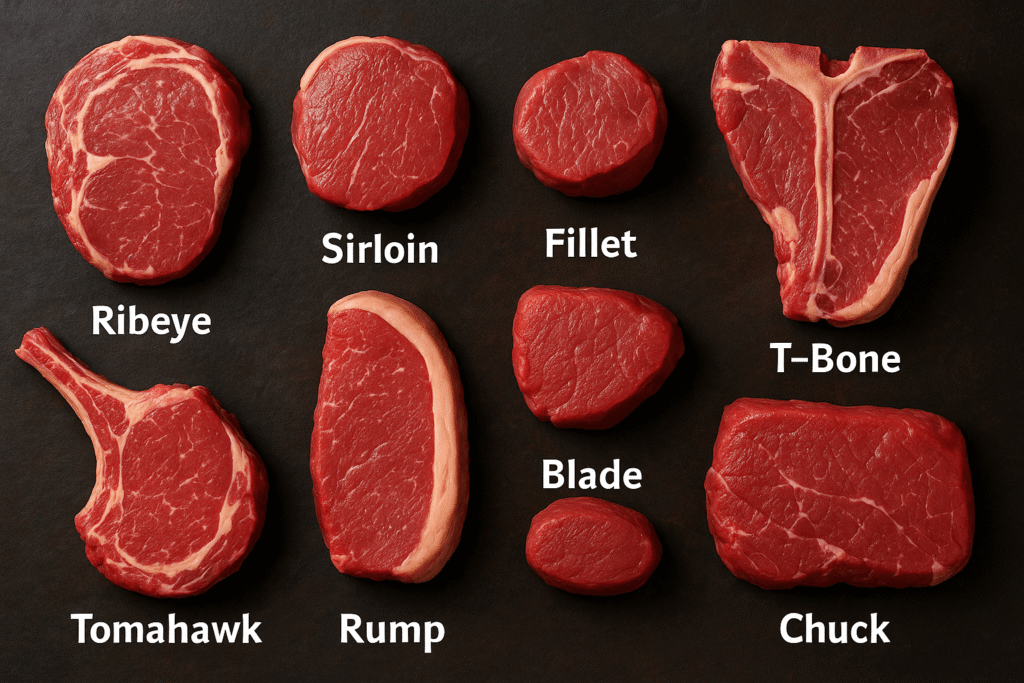
Understanding common steak names can make ordering at a butcher or restaurant considerably easier.
Scotch Fillet
Scotch fillet is one of the most popular premium beef cuts.
Taken from the rib area, it contains natural marbling that contributes exceptional flavour and juiciness.
Steak lovers who want a rich eating experience frequently choose scotch fillet.
It is suitable for:
Barbecuing
Grilling
Pan-frying
Roasting as a larger cut
For many beef enthusiasts, scotch fillet is their favourite cut because it combines tenderness with some of the greatest beef flavour.
Eye Fillet and Tenderloin
Eye fillet is cut from the tenderloin and is renowned for exceptional tenderness.
A tender fillet has a delicate texture and relatively lean composition.
The tenderloin steak is an excellent choice for people who prefer tender steaks with a mild and subtle flavour.
Because the meat is naturally tender, it requires minimal cooking.
Sirloin and New York Steak
Sirloin is a versatile beef cut that provides a balance between tenderness and flavour.
A New York steak is generally associated with the striploin section and offers a firm yet tender texture.
It is particularly popular for grilling and pan-frying.
The exterior fat can contribute additional flavour during cooking.
Rump Steak
Rump is a great-value beef cut with a robust flavour.
It is firmer than eye fillet or scotch fillet but provides a satisfying steak experience when sliced correctly and cooked with care.
Rump can be grilled, pan-fried, or used in stir-fries.
For diners prioritising strong beef flavour and value, rump may become a favourite cut.
Rib Steak
A rib steak is known for rich flavour and generous marbling.
When served bone-in, it can create an impressive presentation.
The combination of fat, meat, and bone contributes to its reputation for delivering the greatest beef flavour.
Thicker rib steaks are often best served after resting thoroughly, allowing the juices to redistribute through the meat.
T-Bone Steak
T-bone steak provides two cuts in one.
On one side of the bone, you will find a section of tenderloin. The opposite side contains strip steak.
This combination provides different textures within a single serving.
T-bone is particularly suited to grilling and barbecuing.
Oyster Blade
Oyster blade is one of the most versatile secondary cuts.
Although traditionally associated with slow cooking, carefully prepared oyster blade steaks can also be grilled or pan-fried.
The cut has a strong beef flavour and can offer excellent value.
How to Select a Quality Cut at the Butcher
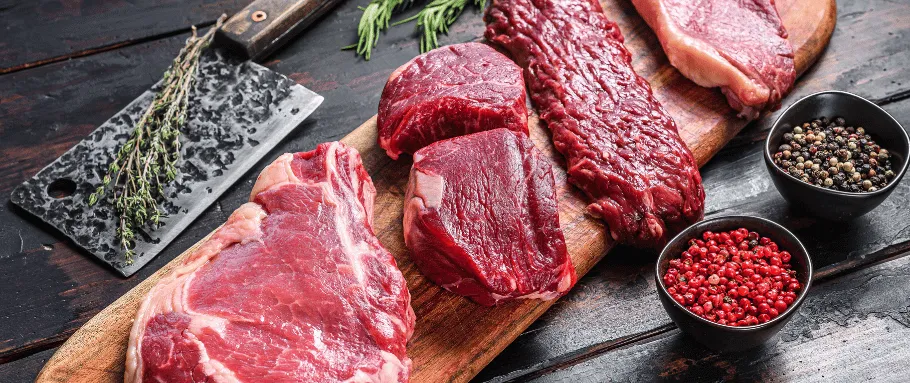
A knowledgeable butcher can be one of your best resources when selecting beef.
Explain how you plan to cook the meat and the type of steak experience you prefer.
Look at the Colour
Fresh beef should generally display a healthy red colour, although colour can vary depending on packaging and exposure to oxygen.
Avoid meat that appears excessively dry or has obvious signs of deterioration.
Examine the Marbling
Look for fine streaks of fat running through the meat.
Marbling can contribute tenderness, moisture, and flavour.
If you want a rich steak, consider a marbled scotch fillet or rib steak.
For a leaner option, a tender fillet may be more suitable.
Consider the Thickness
Steak thickness affects cooking time and temperature control.
Very thin steaks can overcook quickly.
Thicker tender steaks provide greater control when aiming for medium-rare or medium doneness.
Ask your butcher to cut steaks to your preferred thickness.
Ask About the Beef
A trusted butcher can provide information about the beef’s origin, feeding program, and recommended cooking method.
When exploring a guide to Australian beef, you may encounter grass-fed, grain-fed, and Wagyu options.
Each can provide a different flavour and eating experience.
Australia’s beef producers offer a broad range of products, from everyday cuts to highly marbled premium beef.
Find Your Favourite Cut of Beef
There is no single cut that qualifies as the best beef for every meal.
The right choice depends on your preferred texture, flavour, budget, and cooking technique.
For exceptional tenderness and a mild and subtle flavour, consider eye fillet or tenderloin steak. If you want marbling and rich flavour, choose scotch fillet or a rib steak.
A New York steak provides an excellent balance between texture and beefiness, while rump and oyster blade steaks can deliver exceptional value and strong flavour.
Do not overlook secondary cuts or larger cuts for slow cooking and roasting. When matched with the correct cooking method, these cuts can produce deeply satisfying meals.
Use this guide to Australian beef, speak with your butcher, and experiment with different cuts until you discover your favourite cut and the best steak cut for your cooking style.
Cooking Methods for Different Cuts
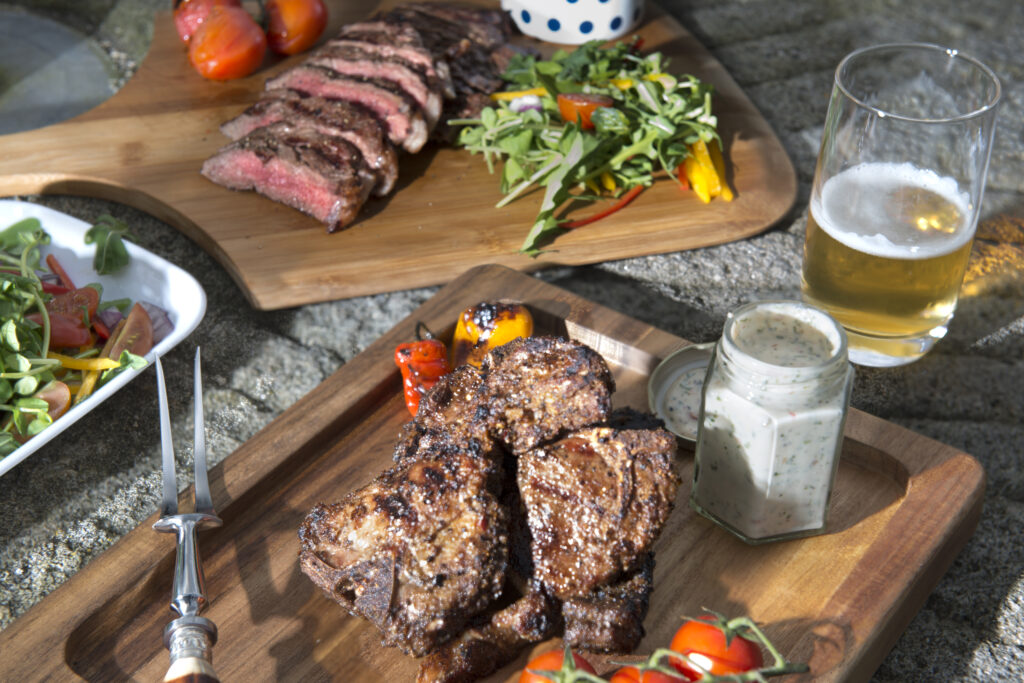
Cooking Australian beef to perfection requires understanding the best cooking method for each specific cut of meat. The way you prepare a steak can significantly impact its tenderness, flavor, and overall juiciness. A knowledgeable butcher can offer invaluable advice on matching the right cooking technique to your chosen beef cut, ensuring a delicious steak every time. Whether it’s a quick grill or a long slow cooking process, the method is key.
Grilling vs. Pan-Frying
Grilling and pan-frying are popular cooking methods for tender cuts of beef, bringing out the rich beef flavor. For cuts like a scotch fillet, sirloin steak, or porterhouse steak, grilling over high heat creates a beautiful sear and a juicy interior. Pan-frying, particularly for a fillet steak or t-bone steak, allows for precise control over the crust and ensures even cooking, contributing to a truly delicious steak with remarkable tenderness.
Slow Cooking Techniques
Slow cooking techniques are ideal for less tender cuts of beef, transforming them into incredibly tender and flavorful dishes. Cuts like rump, oyster blade, or flank steak benefit immensely from methods such as braising, stewing, or roasting at lower temperatures over extended periods. This process breaks down tough muscle fibers, resulting in a rich, hearty beef flavor and exceptional tenderness, making it a great way to utilize different cuts of beef.
Best Practices for Cooking Eye Fillet and Rump
For the prized eye fillet, known for its tenderness and subtle flavor, quick high-heat cooking like pan-searing or grilling is best to preserve its delicate texture. Rump steak, on the other hand, benefits from a slightly different approach; while it can be grilled, it also shines with slow cooking methods or marinating to enhance its flavor and tenderness. Understanding these nuances ensures you bring out the best in each cut of steak.
Guide to Popular Beef Cuts
Exploring the guide to popular beef cuts reveals the diversity and quality of Australian beef, offering something for every palate and cooking method. From the sublime tenderness of the fillet to the robust flavor of the rump, understanding these different cuts of meat empowers you to choose the right cut for any occasion. Your butcher is an excellent resource for navigating the array of premium cuts available.
Fillet: The Tender Choice
The fillet, often referred to as eye fillet, is renowned as the most tender cut of beef, prized for its delicate texture and subtle flavor. Located along the animal’s spine, this cut of meat does minimal work, resulting in exceptional tenderness. It’s a premium steak choice, often pan-seared or grilled quickly to maintain its buttery consistency, offering a truly delicious steak experience with minimal marbling.
Rump: Flavorful and Affordable
Rump steak is a versatile and flavorful cut, known for its robust beef flavor and excellent value. While not as tender as a fillet, it offers a satisfying chew and a deeper, more intense taste, especially when cooked correctly. This cut of beef can be grilled, pan-fried, or even slow-cooked, making it a popular choice for everyday meals and a great option for a delicious steak that won’t break the bank.
Understanding Cuts of Meat in Australia
Understanding different cuts of meat in Australia involves recognizing the unique characteristics and culinary applications of each. From primal cuts like the hindquarter to specific steak cuts such as sirloin steak, porterhouse, and scotch fillet, each offers a distinct tenderness and flavor profile. Your butcher can guide you through these popular steak cuts, helping you choose cuts that promise a delicious Australian beef experience.
