






Growth Mindset: How to Develop One and Foster It
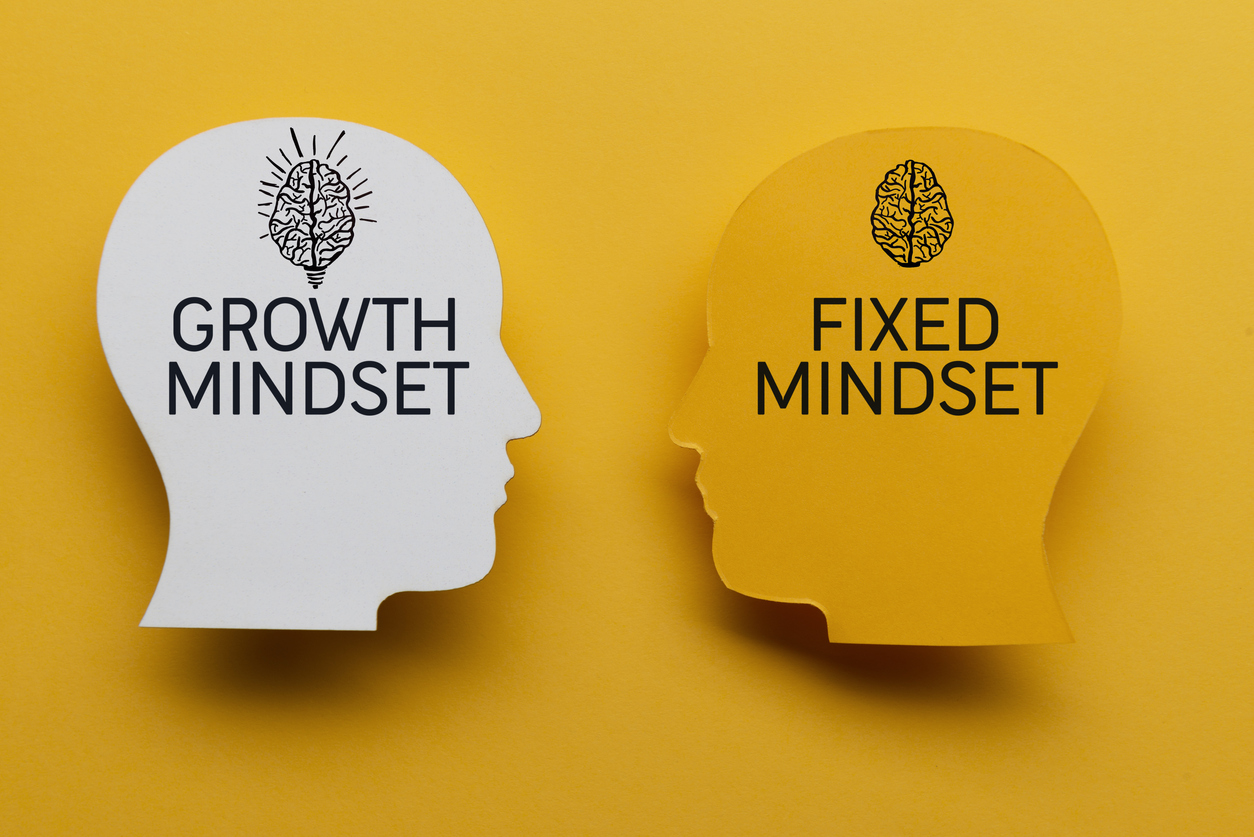
The concept of a growth mindset, popularized by Carol Dweck, is a shift in how we see our abilities. It contrasts with a fixed mindset, as shown below. This article will explore what a growth mindset means, why developing it is essential for success, and how to cultivate it personally and professionally, embracing challenges as learning opportunities.
| Mindset Type | Key Characteristic |
|---|---|
| Growth Mindset | Embraces challenges as opportunities to learn. |
| Fixed Mindset | (Difference from growth mindset to be explored in this article) |
Understanding Growth Mindset


Definition of Growth Mindset
A growth mindset, popularized by Carol Dweck, is the belief that one’s abilities and intelligence can be developed through dedication, hard work, and learning. It is about believing that skills can be honed, and intelligence can be increased. People with a growth mindset see challenges as opportunities to learn and grow, not as threats to their self-worth. This mindset encourages perseverance and resilience in the face of setbacks. It is the idea that through effort and dedication, new skills and knowledge can be acquired, fostering a continuous learning process. To adopt a growth mindset means to embrace challenges and view them as valuable learning experiences.
Growth Mindset vs Fixed Mindset
What Is a Growth Mindset?
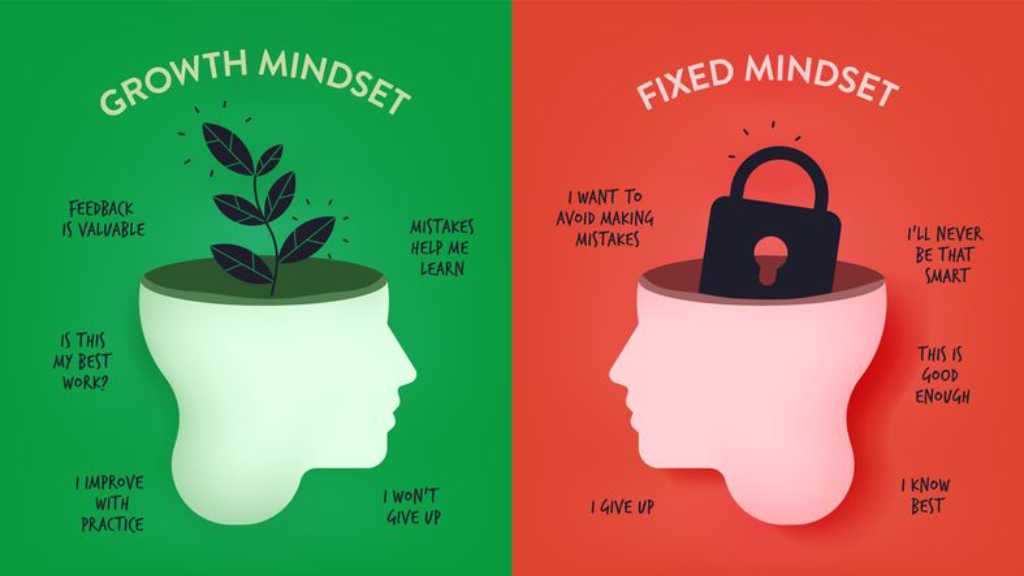
A growth mindset is the belief that abilities, intelligence, and talents can be developed through dedication, hard work, learning, and feedback. People with this mindset embrace challenges, persist through obstacles, and view failure as a stepping stone to improvement.
Key Traits of a Growth Mindset:
- Embraces effort as the path to mastery
- Learns from criticism and feedback
- Inspired by others’ success
- Welcomes challenges
- Believes improvement is always possible
What Is a Fixed Mindset?
A fixed mindset is the belief that intelligence, talent, and other qualities are static and unchangeable. Individuals with a fixed mindset tend to avoid challenges, give up easily, and see failure as a reflection of their limitations.
Key Traits of a Fixed Mindset:
- Avoids challenges out of fear of failure
- Sees effort as fruitless if not immediately successful
- Ignores constructive feedback
- Feels threatened by others’ success
- Believes talent alone determines success
Why Does Mindset Matter?
The mindset you adopt can significantly affect your success in school, work, relationships, and personal development. Those with a growth mindset are more likely to take risks, bounce back from setbacks, and achieve their goals — because they view change and growth as achievable.
Examples
| Scenario | Growth Mindset Response | Fixed Mindset Response |
|---|---|---|
| Receiving criticism | “I can use this to get better.” | “I must not be good at this.” |
| Facing a tough challenge | “This is a chance to grow.” | “I’m not cut out for this.” |
| Seeing others succeed | “What can I learn from them?” | “They’re just more talented than me.” |
| Struggling to learn something | “I need to try a different approach.” | “I’m just not smart enough.” |
Your mindset shapes your future. By choosing to believe in growth, you open the door to learning, resilience, and long-term success.
Importance of Developing a Growth Mindset
Developing a growth mindset is crucial for navigating the complexities of life and achieving one’s full potential. When we adopt a growth mindset, we are more likely to persevere in the face of setbacks, view challenges as learning opportunities, and embrace challenges. This mindset promotes resilience, creativity, and a love of learning. For students with a growth mindset, it means they are more likely to achieve academic success and enjoy the learning process.
In the workplace, employees with a growth mindset are more innovative, adaptable, and engaged. By fostering a growth mindset culture, organizations can unlock the potential of their workforce and drive innovation. Furthermore, by developing one and maintaining a growth mindset, individuals are more likely to overcome challenges and achieve their goals, making it an essential attribute for personal and professional growth.
Ways to Develop a Growth Mindset


Tips to Develop a Growth Mindset
To actively develop a growth mindset, one must begin by consciously challenging their fixed mindset belief. Start by identifying areas where you tend to think in a fixed way, such as believing you are simply “not good” at a particular skill. Then, actively seek out opportunities for growth in those areas, viewing challenges as opportunities to learn.
Embracing failures as learning opportunities is also crucial. When you face a setback, analyze what went wrong and what you can learn from it, rather than dwelling on the failure itself. Cultivate a love of learning by exploring new subjects and skills. It is important to actively seek feedback and use it to improve. Remember that the journey towards adopting a growth mindset is a gradual learning process, and perseverance is key.
Examples and Ways to Cultivate a Growth Mindset
There are many examples and ways to cultivate a growth mindset in everyday life. Consider a student struggling with mathematics. Someone with a fixed mindset might believe they are simply “bad at math.” However, someone with a growth mindset might instead seek extra help, practice consistently, and view mistakes as opportunities to learn and grow.
In the workplace, when faced with a new skill or a challenging project, embrace challenges and see them as an opportunity to learn new things and expand your abilities. Instead of avoiding the task or feeling intimidated, approach it with a willingness to learn and a belief that your skills can improve. By focusing on effort, strategy, and perseverance, you demonstrate a growth mindset approach.
Growth Mindset Examples in Personal and Professional Life
In Personal Life
1. Learning a New Skill or Hobby
A person with a growth mindset approaches new hobbies — like playing guitar, cooking, or photography — with enthusiasm and patience. They believe that even if they’re not good at it at first, consistent effort and learning will lead to improvement. For example:
“I’ve never painted before, but I’m excited to see how far I can go if I keep practicing.”
2. Overcoming Personal Setbacks
Whether it’s a failed relationship or a health challenge, someone with a growth mindset uses setbacks as opportunities to grow. Instead of saying “I’m not good enough,” they ask:
“What can I learn from this experience to become stronger or better prepared next time?”
3. Parenting and Encouraging Children
A growth-minded parent encourages children to keep trying, even when they fail. They praise effort over results:
“I love how hard you worked on this puzzle. Keep going!”
This helps children build resilience and confidence in their ability to learn.
4. Fitness and Health Goals
Instead of giving up after missing a few gym sessions, a person with a growth mindset adjusts their strategy and keeps going:
“I missed two workouts this week, but I’ll get back on track starting today.”
In Professional Life
1. Accepting and Using Feedback
A professional with a growth mindset sees feedback — even if critical — as a gift rather than a personal attack:
“Thanks for pointing that out. I’ll use this to improve my next presentation.”
2. Taking on New Responsibilities
Instead of fearing new roles or challenges, growth-minded employees welcome them:
“I’ve never led a team before, but I’m ready to learn and grow into this role.”
3. Handling Failure at Work
After a project fails, someone with a growth mindset reflects, learns, and adjusts:
“That campaign didn’t work as planned, but I learned a lot about what our audience responds to.”
4. Upskilling and Career Advancement
Employees who invest in continuous learning — taking courses, learning new tools, or reading industry books — demonstrate a growth mindset:
“Technology keeps changing, so I’m learning SEO and AI marketing tools to stay ahead.”
5. Collaborating with Others
Instead of competing or feeling threatened by others’ success, growth-minded individuals collaborate and learn:
“I admire your approach to project management. Can you share how you plan your workflow?”
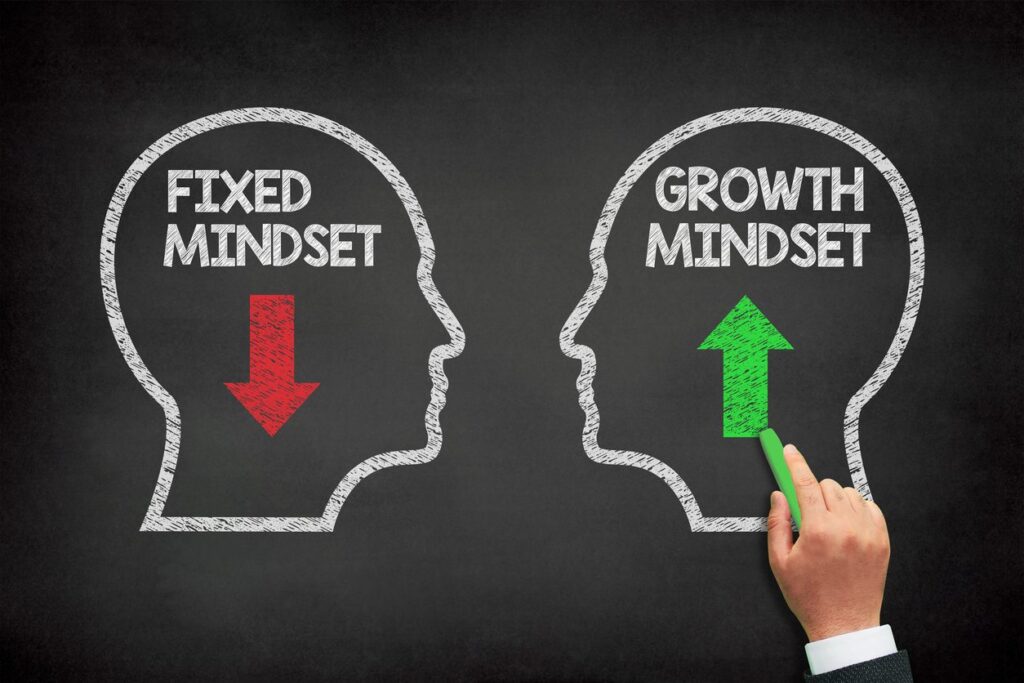
A growth mindset isn’t about perfection — it’s about progression. In both personal and professional life, adopting this mindset encourages persistence, adaptability, and long-term success. Embracing the belief that we can develop our abilities unlocks our full potential.
Would you like this expanded into a full article or turned into a carousel post or checklist for social media?
Fostering a Growth Mindset in Others
Fostering a Growth Mindset in Students
Fostering a growth mindset in students is vital for their academic and personal development. Educators can encourage a growth mindset by emphasizing effort and strategies over innate intelligence. Instead of praising students for being “smart,” acknowledge their hard work and the strategies they use to overcome challenges. When students with a fixed mindset face setbacks, help them reframe their thinking and see mistakes as valuable learning experiences, not as indications of their inherent abilities.
Providing constructive feedback that focuses on improvement and the learning process can also reinforce a growth mindset. By celebrating progress and perseverance, educators can cultivate a learning environment where students embrace challenges and believe in their potential to improve through dedication and effort. These students with a growth mindset will continue to adopt a growth mindset, which will further aid in their learning.
Creating a Growth Mindset Culture in Organizations
Creating a growth mindset culture in your organization can lead to increased innovation, collaboration, and employee engagement. Leaders should promote a culture that values learning and development, rather than focusing solely on performance metrics. Encourage employees to take risks, experiment with new ideas, and embrace challenges as opportunities for growth. Implementing feedback mechanisms that focus on growth and improvement, rather than solely on evaluation, can also foster a growth mindset culture.
Leaders should also serve as role models, demonstrating their own willingness to learn, adapt, and embrace challenges. It is important to provide employees with access to resources and training that support their ongoing development. By fostering a growth mindset culture, organizations can unlock the full potential of their workforce and drive continuous improvement. These learning opportunities should also encourage a growth mindset, and further help those with a fixed mindset believe in themselves.
Supporting People with a Fixed Mindset
Supporting people with a fixed mindset requires patience and understanding. It’s essential to recognize that their beliefs about intelligence and abilities are deeply ingrained. Start by gently challenging their fixed mindset belief, presenting them with evidence that abilities can be developed through effort and learning. Share stories of people who have overcome challenges through perseverance and hard work. Encourage them to focus on the learning process and the progress they are making, rather than solely on the end result.
Celebrate small victories and acknowledge their efforts. It is important to create a safe and supportive environment where they feel comfortable taking risks and making mistakes without fear of judgment. By gradually shifting their perspective and providing positive reinforcement, you can help them begin to adopt a growth mindset and embrace challenges as opportunities to learn and grow.
Maintaining a Growth Mindset

Strategies for Maintaining a Growth Mindset
Maintaining a growth mindset is an ongoing process, not a one-time achievement. It requires continuous self-reflection and a conscious effort to challenge fixed mindset beliefs that may creep in. Regularly seek out opportunities to learn new things and expand your comfort zone. Embrace challenges as opportunities to learn and grow, viewing setbacks as valuable learning experiences. Surround yourself with people who encourage a growth mindset and support your learning journey.
Practice gratitude for the progress you make and celebrate small victories. It’s also important to actively manage your self-talk, replacing negative thoughts with positive affirmations that reinforce your belief in your ability to learn and improve. By consistently applying these strategies, you can solidify your growth mindset and continue to thrive in the face of setbacks.
Overcoming Challenges to a Growth Mindset
Even those who actively cultivate and embrace a growth mindset can face challenges that test their resolve. One common obstacle is the fear of failure, which can lead to avoidance of new skill acquisition and learning opportunities. Another challenge is dealing with criticism or negative feedback, which can trigger feelings of inadequacy and undermine confidence. People with a fixed mindset often take criticism personally, viewing it as an attack on their abilities.
To overcome these challenges, it’s essential to reframe your perspective, recognizing that failure is a natural part of the learning process and that criticism can be valuable feedback for growth. Focus on the effort you put in and the progress you are making, rather than solely on the outcome. Remember that adopting a growth mindset is about embracing challenges as opportunities to learn and grow, even when it’s difficult.
Long-term Benefits of a Growth Mindset
The long-term benefits of developing and maintaining a growth mindset are profound and far-reaching. Individuals who embrace a growth mindset are more likely to achieve greater success in their personal and professional lives. They demonstrate increased resilience, perseverance, and a willingness to overcome challenges as opportunities. Students with a growth mindset tend to perform better academically, as they are more motivated to learn and less discouraged by setbacks.
Employees with a growth mindset are more innovative, adaptable, and engaged, contributing to a more dynamic and successful organizational culture. Maintaining a growth mindset also fosters a greater sense of well-being and life satisfaction, as individuals are more likely to pursue their goals, embrace new experiences, and view life as a continuous journey of growth and learning. It encourages a growth mindset within fixed and growth mindset individuals.


